

Lead Safety in Commercial Real Estate: Protecting Your Assets and Your Bottom Line
For property managers of pre-1978 assets, "lead-safe" isn’t just a safety slogan—it’s a critical regulatory barrier. While many assume lead paint is only a concern for residential landlords, the EPA Renovation, Repair and Painting (RRP) Rule applies to any facility where the public, specifically children, may spend time.
If your commercial portfolio includes office buildings, retail centers with daycares, or mixed-use multifamily housing, lead safety is a daily operational reality.
Why Lead Safety Still Matters in Commercial Properties
It is a common misconception that lead paint issues "went away" decades ago. In a commercial environment, lead-based paint is a sleeping giant.
- High-Traffic Wear and Tear: Commercial doors, window frames, and stairwells are high-friction surfaces. When painted with lead-based products (common in older builds for durability), opening a door can generate lead dust that settles into carpets and HVAC systems.
- Tenant Turnover Liability: Every time a commercial tenant moves out and a "white box" renovation begins, sanding and demolition can release lead particles. If a neighboring tenant or a visitor is exposed, the property manager—not just the contractor—is often the first target for litigation.
- The "Child-Occupied" Rule: If your commercial building houses a tutoring center, a pediatric office, or a gym with a nursery, the EPA treats that space with the same strictness as a residential home.
The Massive Risks of Hiring Uncertified Painters
In a competitive market, a low-bid contractor who ignores lead-safe protocols might seem like a way to stay under budget. However, for a property manager, an uncertified painter is a liability time bomb.
1. Civil and Federal Penalties
The EPA does not take "we didn't know" as an excuse. Fines for RRP violations are adjusted for inflation and can now exceed $46,000 per violation, per day. A single renovation project with multiple infractions can easily result in six-figure penalties that erase years of management fees.
2. Negligence and "Toxic Tort" Lawsuits
If a tenant or employee can prove lead exposure due to improper containment, the property owner and management firm face devastating personal injury claims. These "toxic torts" are notoriously difficult and expensive to defend, often resulting in massive settlements.
3. Stop-Work Orders and Vacancy
If an EPA inspector or local building official flags a non-compliant site, they can issue an immediate
Stop-Work Order. This delays your project, pushes back move-in dates, and can cause you to lose high-value tenants who cannot wait for a remediated site.
The Commercial Painting Inc. Difference: Certified Compliance
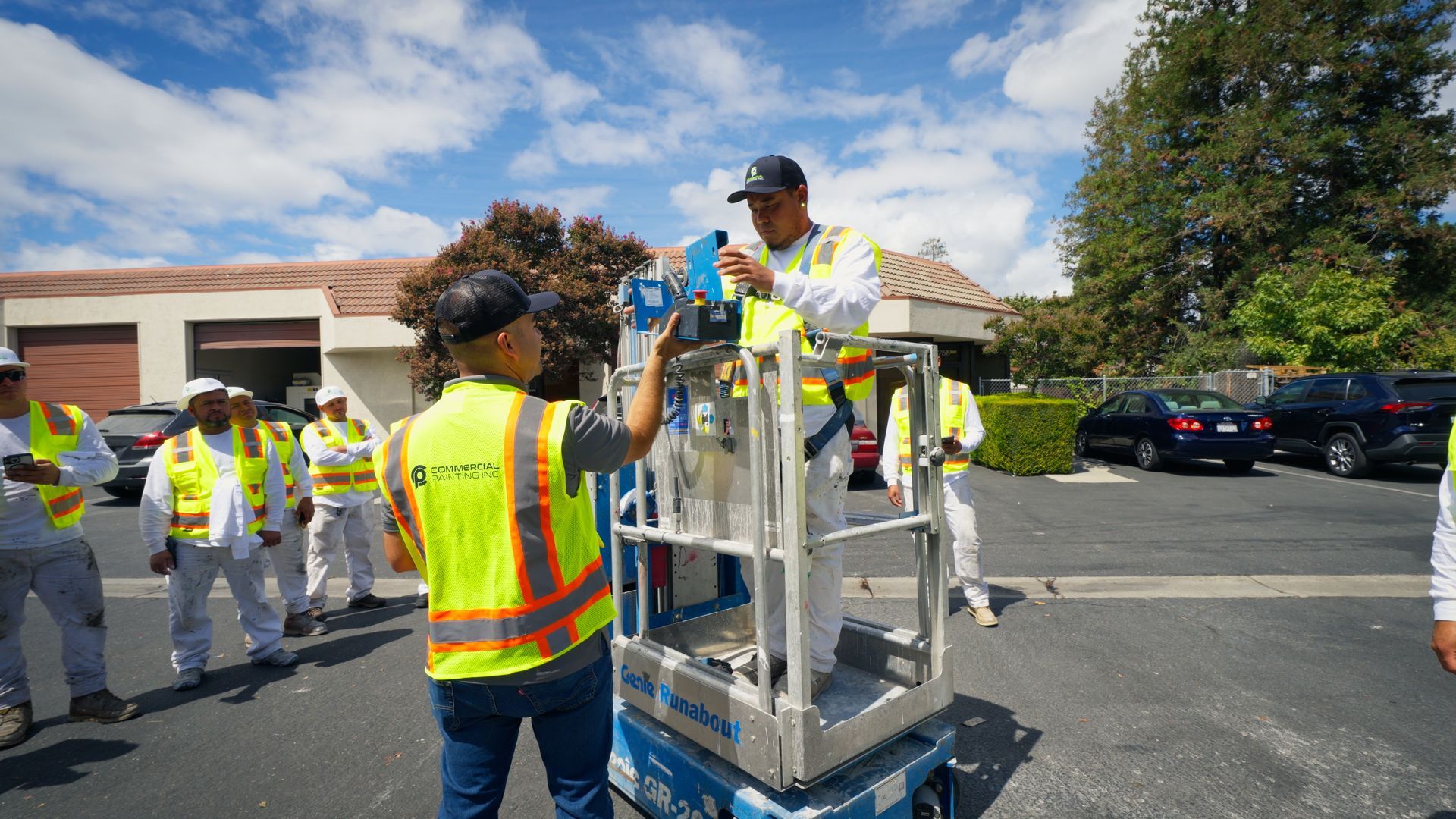
When you hire Commercial Painting Inc., you aren't just hiring painters; you are hiring EPA Lead-Safe Certified Renovators. We protect your property and your professional reputation through:
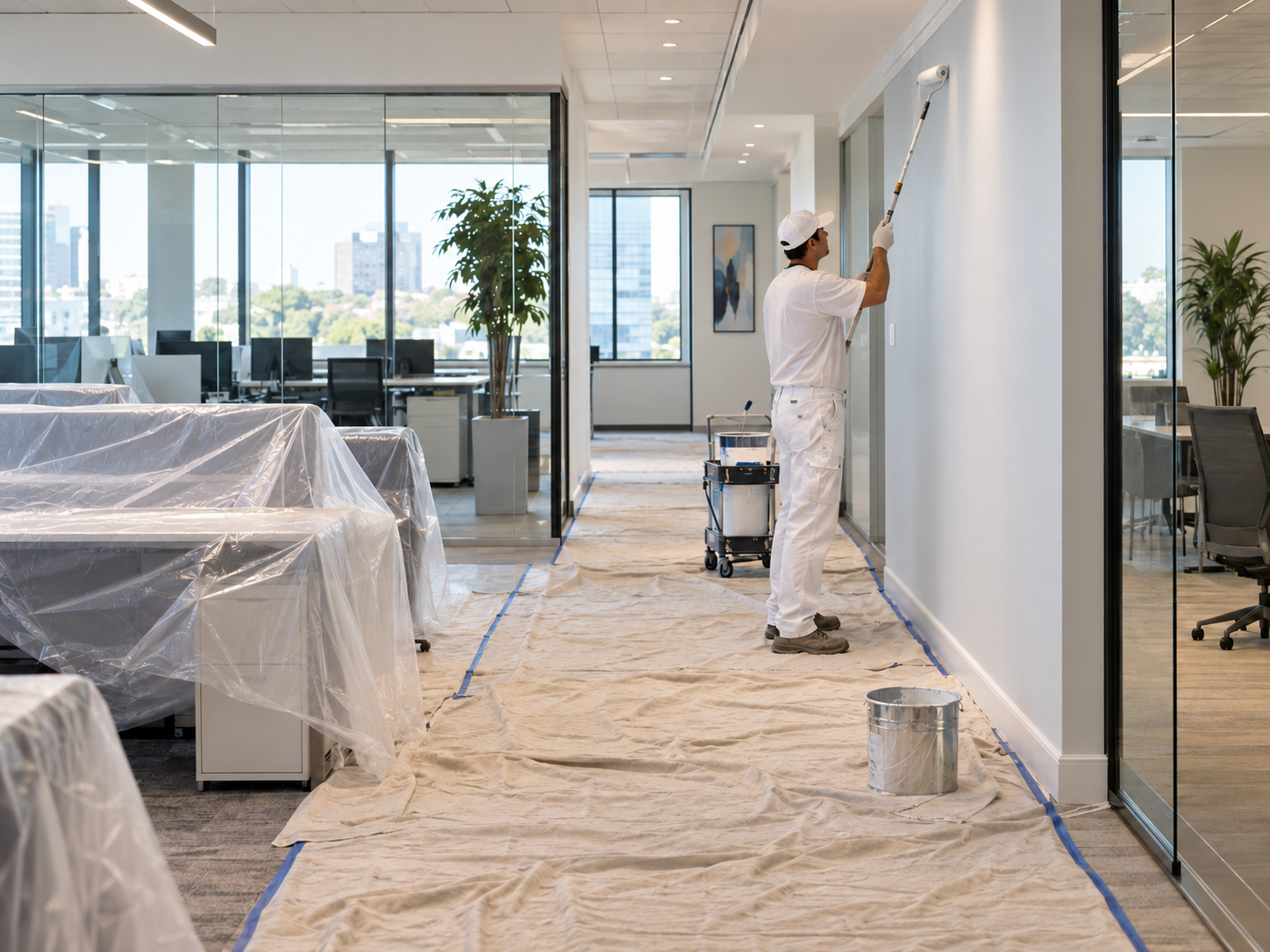
- Full Site Containment: We use heavy-duty plastic sheeting and specialized tape to "seal" the work zone from the rest of the building.
- HEPA-Filtered Equipment: We use industrial-grade vacuums that capture 99.97% of particles, ensuring no dust remains in the air or vents.
- Meticulous Record Keeping: We provide you with the full "Lead-Safe Certified" documentation for every project—your "get out of jail free" card during a surprise audit.
The Bottom Line: An uncertified painter saves you hundreds today but can cost you hundreds of thousands tomorrow.
Secure Your Property’s Future
Don’t gamble with your owners' assets or your management firm's license. If your building was built before 1978, your next painting or renovation project requires a certified expert.
Contact Commercial Painting Inc. today for a Lead-Safe Compliance Audit. We will walk your property, identify high-risk areas, and provide a bid that includes the peace of mind of total EPA compliance.
Contact Us
We will get back to you as soon as possible.
Please try again later.