

7 Contractor Questions Every Facility Manager Should Ask Before a Project

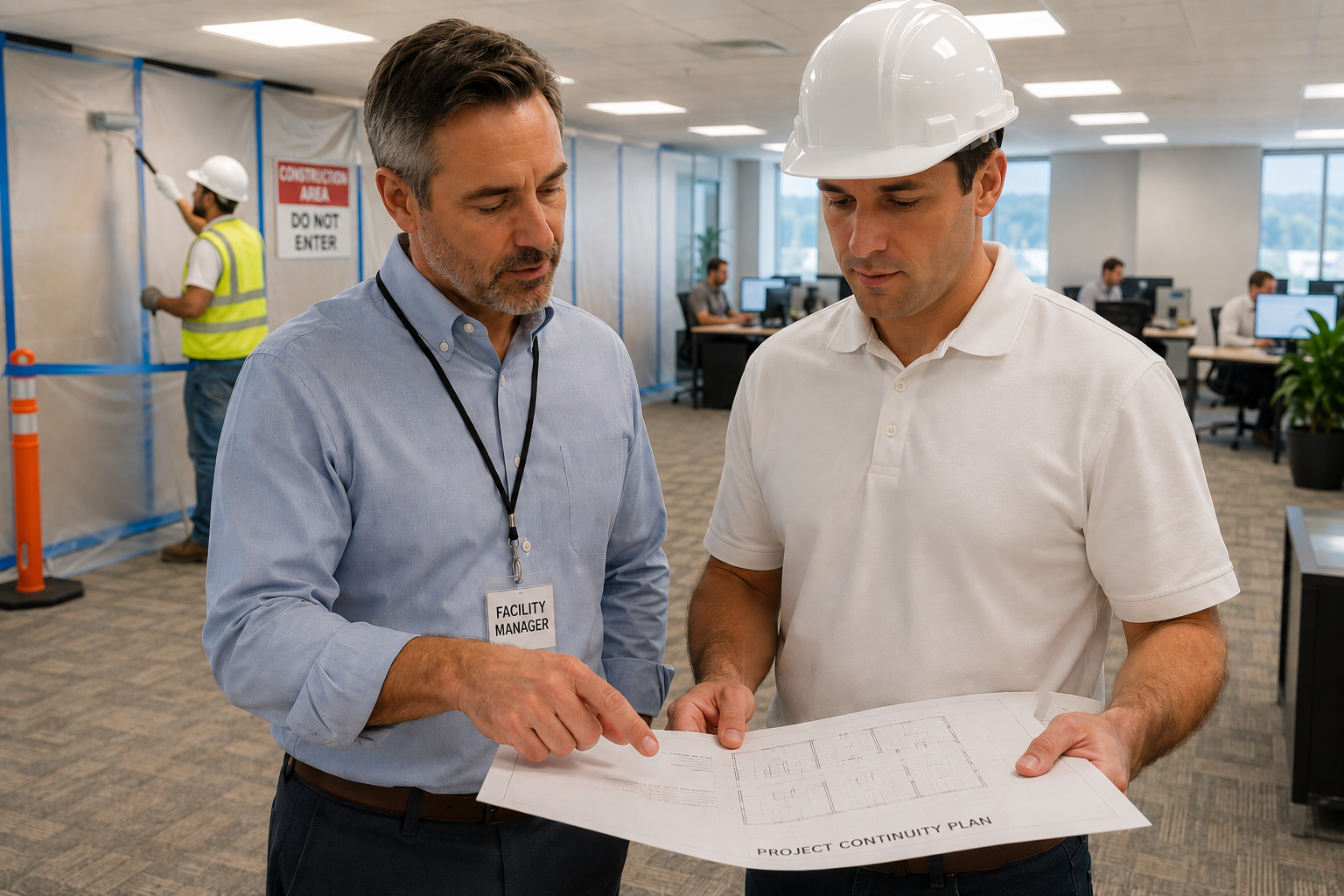
June 4, 2026

When planning a commercial painting, maintenance, or renovation project, most facility managers focus on budget, timeline, and quality. While these factors are important, there is another critical consideration that can have an even greater impact on your organization: operational continuity.


A contractor may deliver excellent workmanship, but if the project disrupts employees, tenants, customers, manufacturing processes, or business operations, the hidden costs can quickly exceed the project budget.


Whether you're managing an office building, healthcare facility, educational institution, industrial site, retail location, or multi-tenant property, asking the right questions before work begins can help prevent costly interruptions.


Use this disruption checklist to evaluate potential contractors and ensure your project is completed with minimal impact to your daily operations.


Why Operational Continuity Matters


Every hour of downtime can result in lost productivity, reduced customer satisfaction, delayed services, and unexpected expenses. The best contractors understand that their job extends beyond completing the scope of work—they must also protect the functionality of your facility throughout the project.


Before signing a contract, ask these seven technical questions.

1. How Will You Isolate the Work Area?

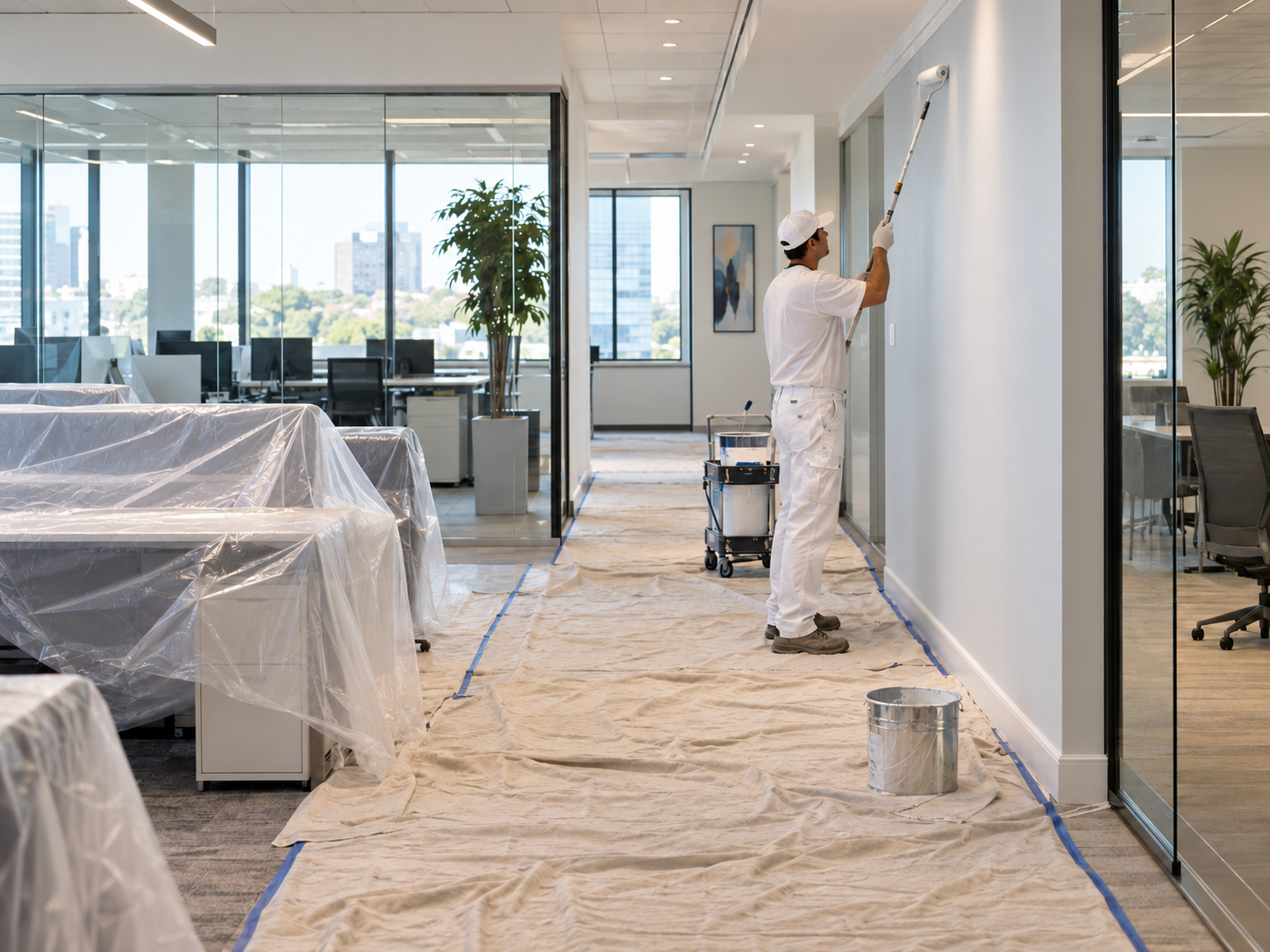
Containment planning is one of the first indicators of a contractor's professionalism.


Ask how they will:

  • Separate work zones from occupied spaces
  • Control dust, debris, and overspray
  • Maintain safe pedestrian pathways
  • Protect furniture, equipment, and inventory
  • Limit disruptions to neighboring tenants or departments


A qualified contractor should provide a clear containment strategy tailored to your facility.


Why It Matters

Poor containment can lead to complaints, safety concerns, equipment contamination, and disruptions that extend far beyond the project area.

2. What Is Your Plan for Working Around Occupied Spaces?


Many commercial facilities remain operational during construction or painting projects.


Ask whether the contractor can:

  • Work during evenings or weekends
  • Complete work in phases
  • Coordinate around peak business hours
  • Adjust schedules for sensitive operations
  • Accommodate tenant or employee requirements


Why It Matters

The right scheduling strategy can significantly reduce interruptions and allow normal business activities to continue throughout the project.

3. How Will You Manage Air Quality, Odors, and Ventilation?


This question is especially important for healthcare facilities, schools, offices, and occupied commercial buildings.


Ask about:

  • Low-VOC or zero-VOC products
  • Ventilation procedures
  • Air filtration systems
  • Negative air containment methods
  • Occupant safety protocols


Why It Matters

Paint odors, airborne particles, and poor ventilation can affect occupant comfort, productivity, and in some environments, regulatory compliance.

4. What Communication Process Do You Use During the Project?


Communication failures are one of the leading causes of project disruption.


Ask the contractor:

  • Who will serve as the primary point of contact?
  • How often will progress updates be provided?
  • How will schedule changes be communicated?
  • What escalation process exists for urgent issues?


Why It Matters

Consistent communication helps facility managers anticipate disruptions before they become operational problems.

5. How Do You Handle Unexpected Conditions?


Even well-planned projects can uncover unforeseen issues such as:

  • Water intrusion
  • Damaged substrates
  • Mold concerns
  • Structural deficiencies
  • Hazardous materials


Ask how the contractor responds when unexpected conditions arise.


Why It Matters

A contractor with a documented contingency plan can address issues quickly without causing unnecessary delays or operational interruptions.


6. What Safety Measures Protect Occupants During the Project?


Safety should extend beyond workers to include employees, tenants, visitors, and customers.


Ask about:

  • Site-specific safety plans
  • Daily hazard assessments
  • Signage and barriers
  • Emergency access maintenance
  • Compliance with OSHA requirements


Why It Matters

An effective safety program minimizes risk while ensuring normal facility operations can continue.


7. Can You Provide Examples of Similar Occupied-Facility Projects?


Past performance is often the best predictor of future success.


Request examples of projects completed in:

  • Active office buildings
  • Schools and universities
  • Healthcare facilities
  • Industrial facilities
  • Retail environments
  • Multi-tenant commercial properties


Ask specifically how operational continuity was maintained during those projects.


Why It Matters

Experience working in occupied facilities demonstrates a contractor's ability to balance construction requirements with ongoing business operations.

The Difference Between Completing a Project and Delivering a Seamless Project


Many contractors can complete a project. Fewer can do so while allowing your facility to function normally.


The most successful commercial projects are built on proactive planning, transparent communication, flexible scheduling, and a deep understanding of operational continuity.


Before selecting a contractor, use this disruption checklist to evaluate not only their technical capabilities, but also their ability to protect your business, employees, tenants, and customers from unnecessary interruptions.

Final Thoughts


Operational downtime is rarely included in a project proposal, yet it can become one of the most expensive consequences of poor planning.


By asking these seven technical questions during the contractor selection process, facility managers can identify partners who prioritize business continuity as much as project quality.


The result is a safer, smoother, and more efficient project that supports both your facility goals and your operational objectives.

Need a Contractor Who Understands Operational Continuity?


At Commercial Painting Inc., we specialize in completing painting and facility improvement projects in occupied commercial environments. Our team works closely with facility managers, property managers, and business owners to minimize disruptions while delivering high-quality results.


Contact us today to discuss your upcoming project and learn how we help keep your operations running while the work gets done.

Contact Us

May 28, 2026
Facility maintenance budgeting is one of the most important responsibilities for property and facility managers. This guide outlines a practical step-by-step process to help facility managers estimate maintenance costs more accurately while improving long-term facility performance.
May 19, 2026
Discover how professional coordination and proactive communication can eliminate resident complaints and ensure success during large-scale HOA multi-unit projects.
May 14, 2026
Maximize your paint longevity by hitting the 50-85°F window. Learn why Bay Area microclimates make Spring the strategic choice for exterior home protection.
Commercial office interior painted with Sherwin-Williams ProMar 200 Zero VOC
May 6, 2026
Discover how our professional interior painting at 1870 Embarcadero transformed 33,000+ SF into a move-in-ready space for premium tenants in Palo Alto. Request an estimate today!
May 1, 2026
How we transformed the Santa Clara Convention Center in just 21 days for Super Bowl LX. See the power of architectural renderings, new stucco, and high-performance coatings.
April 20, 2026
Stop guessing with tiny swatches. Use AI-powered rendering and expert color prompts to see a lifelike preview of your home before you paint. No more remorse!
Show More