

The Budgeting Blueprint

May 28, 2026

A Step-by-Step Guide for Facility Managers to Accurately Estimate Maintenance Costs for the Next Fiscal Year


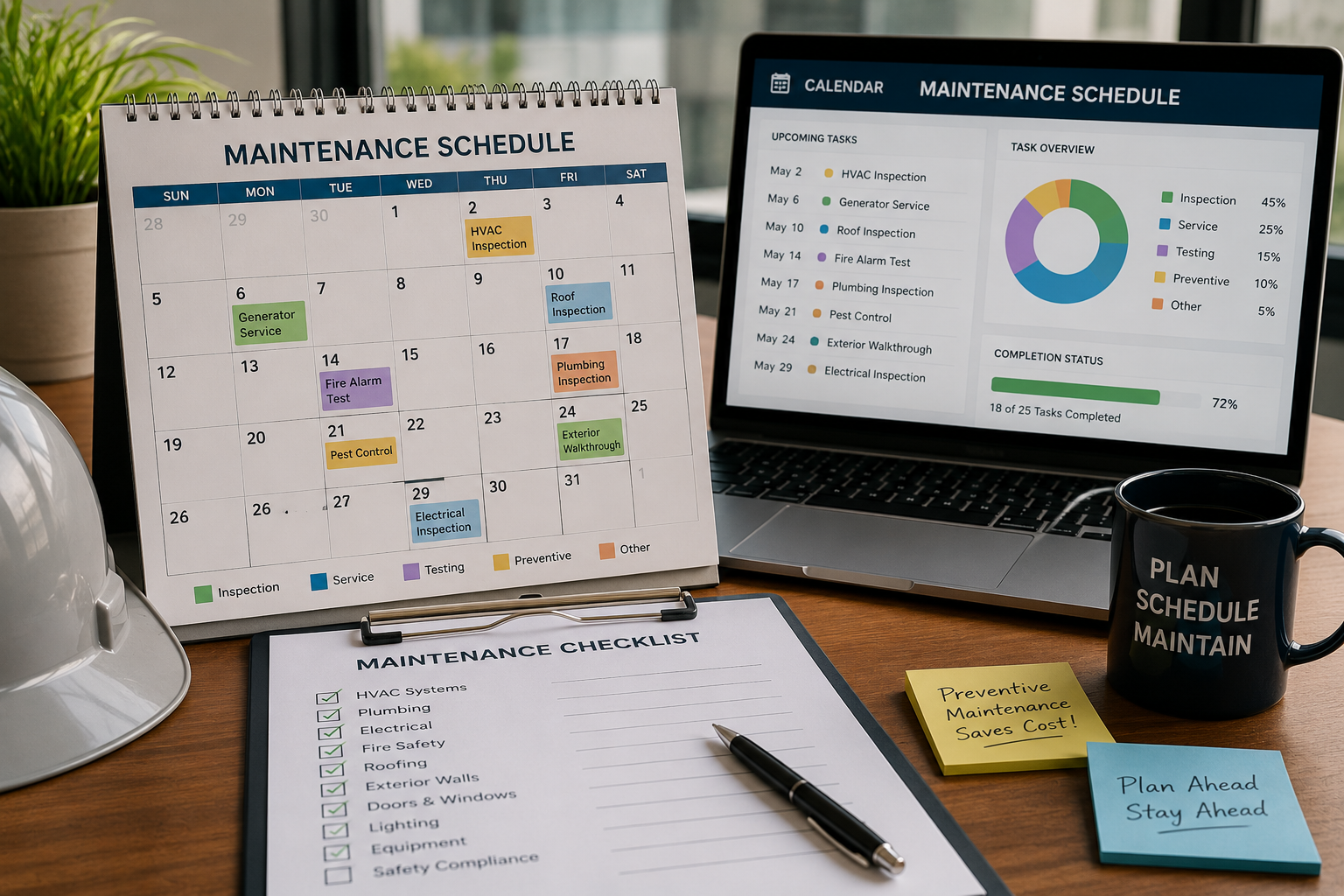
For facility managers, budgeting season can feel like a balancing act between operational needs, aging assets, unexpected repairs, and financial limitations. Underestimating costs can lead to deferred maintenance and emergency expenses, while overestimating may result in budget cuts or unused allocations.


The key to building a reliable maintenance budget is having a clear process — one that combines historical data, proactive planning, and realistic forecasting.


This guide outlines a practical step-by-step blueprint to help facility managers prepare accurate maintenance budgets for the upcoming fiscal year.

Step 1: Review Historical Maintenance Data


Start by analyzing the previous 2–3 years of maintenance expenses. This gives you a baseline for identifying trends, recurring issues, and seasonal cost fluctuations.


Key areas to review include:

  • Preventive maintenance costs
  • Emergency repairs
  • Vendor and contractor expenses
  • Equipment replacement history
  • Utility-related maintenance
  • Painting and surface restoration projects
  • Deferred maintenance items


Pay close attention to repairs that repeatedly occur. Frequent repairs may indicate a larger capital replacement need that should be addressed proactively.

Step 2: Conduct a Comprehensive Facility Assessment


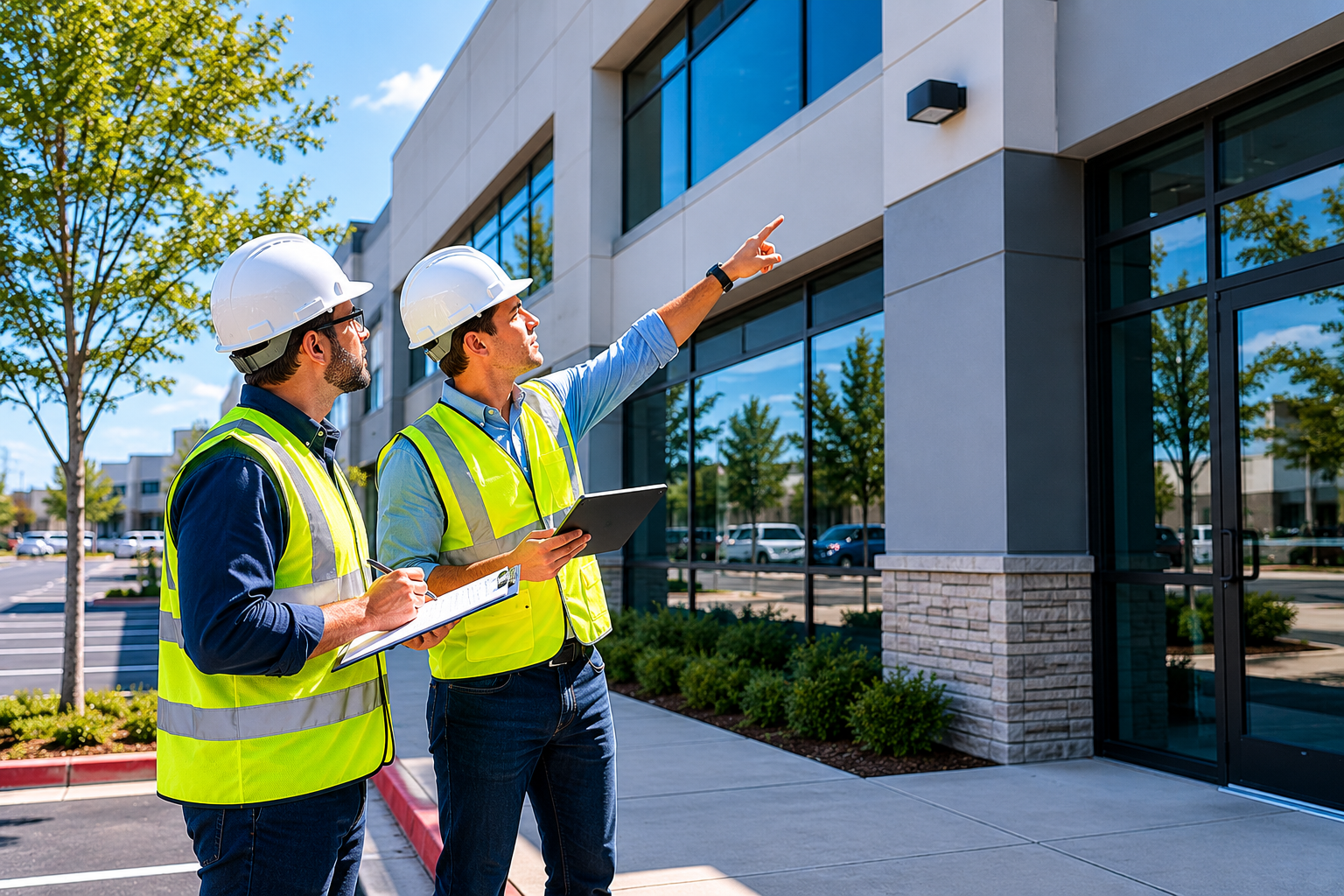
Before creating next year’s budget, inspect the current condition of the property and its systems.


Evaluate:

  • Building exteriors and interiors
  • Roofing systems
  • HVAC equipment
  • Plumbing and electrical systems
  • Parking lots and walkways
  • Safety and compliance requirements
  • Protective coatings and painted surfaces


A thorough assessment helps identify hidden issues before they become major financial burdens.


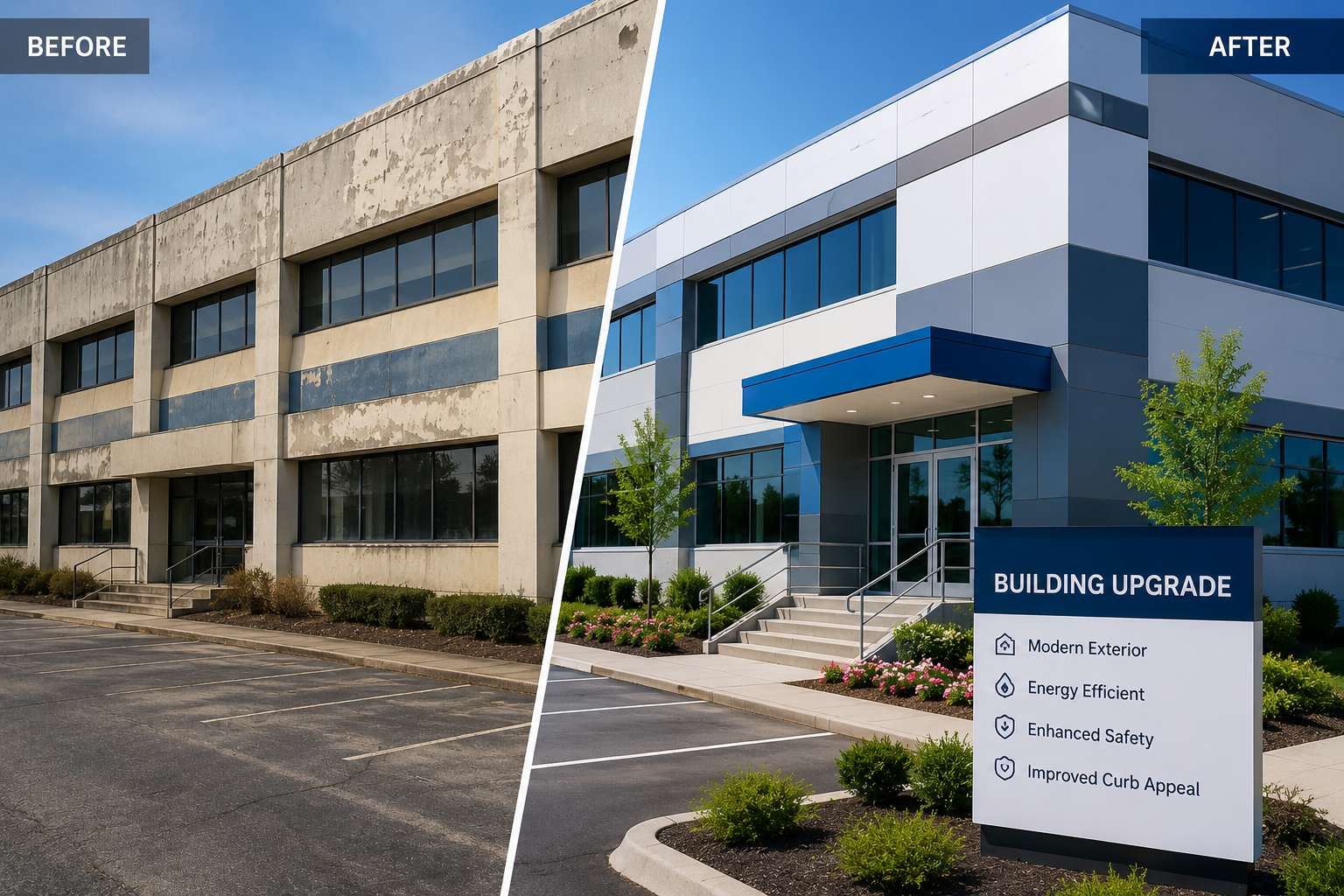
For commercial properties, paint deterioration is often overlooked during budgeting. However, failing coatings can expose surfaces to moisture damage, corrosion, and premature wear — increasing long-term repair costs significantly.

Step 3: Separate Preventive vs. Reactive Maintenance


One of the biggest budgeting mistakes is allocating too much toward reactive maintenance.


Preventive maintenance may seem costly upfront, but it reduces emergency repairs, downtime, and asset deterioration over time.


Break your budget into categories such as:

Preventive Maintenance

  • Routine inspections
  • Scheduled servicing
  • Repainting and protective coatings
  • Sealant replacement
  • Cleaning and upkeep

Reactive Maintenance

  • Emergency repairs
  • Water intrusion issues
  • Equipment failures
  • Unexpected structural damage


A healthier maintenance strategy typically shifts more resources toward preventive work.

Step 4: Prioritize Projects by Risk and Impact


Not all maintenance projects carry the same urgency.


Create a priority ranking system based on:

  • Safety risks
  • Regulatory compliance
  • Operational impact
  • Asset lifespan
  • Tenant or occupant experience
  • Financial consequences of delay
  • 

For example, repainting heavily exposed exterior surfaces may prevent costly substrate damage later, making it a higher-priority investment than cosmetic upgrades in low-traffic areas.


Using a priority matrix can help justify budget allocations to ownership groups or leadership teams.

Step 5: Account for Inflation and Market Conditions


Maintenance costs are rarely static. Labor rates, material prices, equipment costs, and contractor availability can change significantly year to year.


When forecasting:

  • Include contingency percentages
  • Anticipate labor cost increases
  • Monitor supply chain pricing trends
  • Budget for potential delays
  • Review vendor pricing annually


Working with trusted contractors early can also help secure more accurate pricing before peak seasons begin.

Step 6: Build a Capital Improvement Forecast


Annual maintenance budgets should align with long-term capital planning.


Create a multi-year outlook for:

  • Major repainting cycles
  • Roof replacements
  • HVAC upgrades
  • Parking lot resurfacing
  • Waterproofing projects
  • Structural repairs


Forecasting these larger expenses prevents sudden financial strain and allows facility teams to phase projects strategically.


For many commercial properties, exterior painting and protective coatings should be included as part of the long-term asset preservation strategy — not treated as a last-minute cosmetic expense.

Step 7: Include a Contingency Reserve


Even the best maintenance plans encounter unexpected issues.


A contingency reserve helps cover:

  • Emergency repairs
  • Weather-related damage
  • Equipment failures
  • Unplanned compliance requirements


Most facility managers allocate a percentage of the total maintenance budget toward contingencies to avoid disrupting operations when surprises occur.

Step 8: Partner with Reliable Service Providers


Experienced contractors can provide valuable insight during the budgeting process.


A knowledgeable commercial painting and maintenance partner can help:

  • Assess current building conditions
  • Identify high-risk areas
  • Recommend preventive solutions
  • Forecast repainting timelines
  • Extend asset lifespan through protective systems


Early collaboration often leads to more accurate budgeting and better long-term planning outcomes.

Final Thoughts


An effective maintenance budget is more than just a spreadsheet — it’s a strategic tool that protects assets, minimizes operational disruptions, and supports long-term property value.


By combining historical analysis, facility assessments, preventive planning, and realistic forecasting, facility managers can create budgets that are both accurate and adaptable.


The earlier planning begins, the more opportunities there are to reduce surprises and make smarter maintenance decisions for the year ahead.

Ready to Plan Your Facility Maintenance Budget?


Creating an accurate maintenance budget starts with understanding the true condition of your property and planning ahead before small issues become costly repairs.


At Commercial Painting Inc., we help facility managers, property owners, and commercial teams identify preventive maintenance opportunities that protect assets, extend building lifespan, and support long-term budgeting goals.


Whether you’re planning exterior repainting, protective coatings, waterproofing, or large-scale maintenance improvements, our team can help you build a proactive maintenance strategy for the next fiscal year.


Contact Commercial Painting Inc. today to schedule a facility assessment and start planning smarter maintenance solutions for your property.


Contact Us

May 19, 2026
Discover how professional coordination and proactive communication can eliminate resident complaints and ensure success during large-scale HOA multi-unit projects.
May 14, 2026
Maximize your paint longevity by hitting the 50-85°F window. Learn why Bay Area microclimates make Spring the strategic choice for exterior home protection.
Commercial office interior painted with Sherwin-Williams ProMar 200 Zero VOC
May 6, 2026
Discover how our professional interior painting at 1870 Embarcadero transformed 33,000+ SF into a move-in-ready space for premium tenants in Palo Alto. Request an estimate today!
May 1, 2026
How we transformed the Santa Clara Convention Center in just 21 days for Super Bowl LX. See the power of architectural renderings, new stucco, and high-performance coatings.
April 20, 2026
Stop guessing with tiny swatches. Use AI-powered rendering and expert color prompts to see a lifelike preview of your home before you paint. No more remorse!
Pre-Cinco de Mayo Tequila Tasting event flyer for Bay Area property managers at Copita San Jose.
April 16, 2026
Join 100 Bay Area property managers for an exclusive Tequila Tasting in San Jose on April 30. Message us today to secure your spot on the guest list!
Show More