

Why EPA Lead RRP Certification Matters in Commercial Painting—and How It Protects Tenants, Workers, and Property

June 11, 2026

In commercial painting and renovation work, safety and compliance go hand in hand. One of the most important requirements for projects involving older buildings is EPA Lead Renovation, Repair, and Painting (RRP) certification.


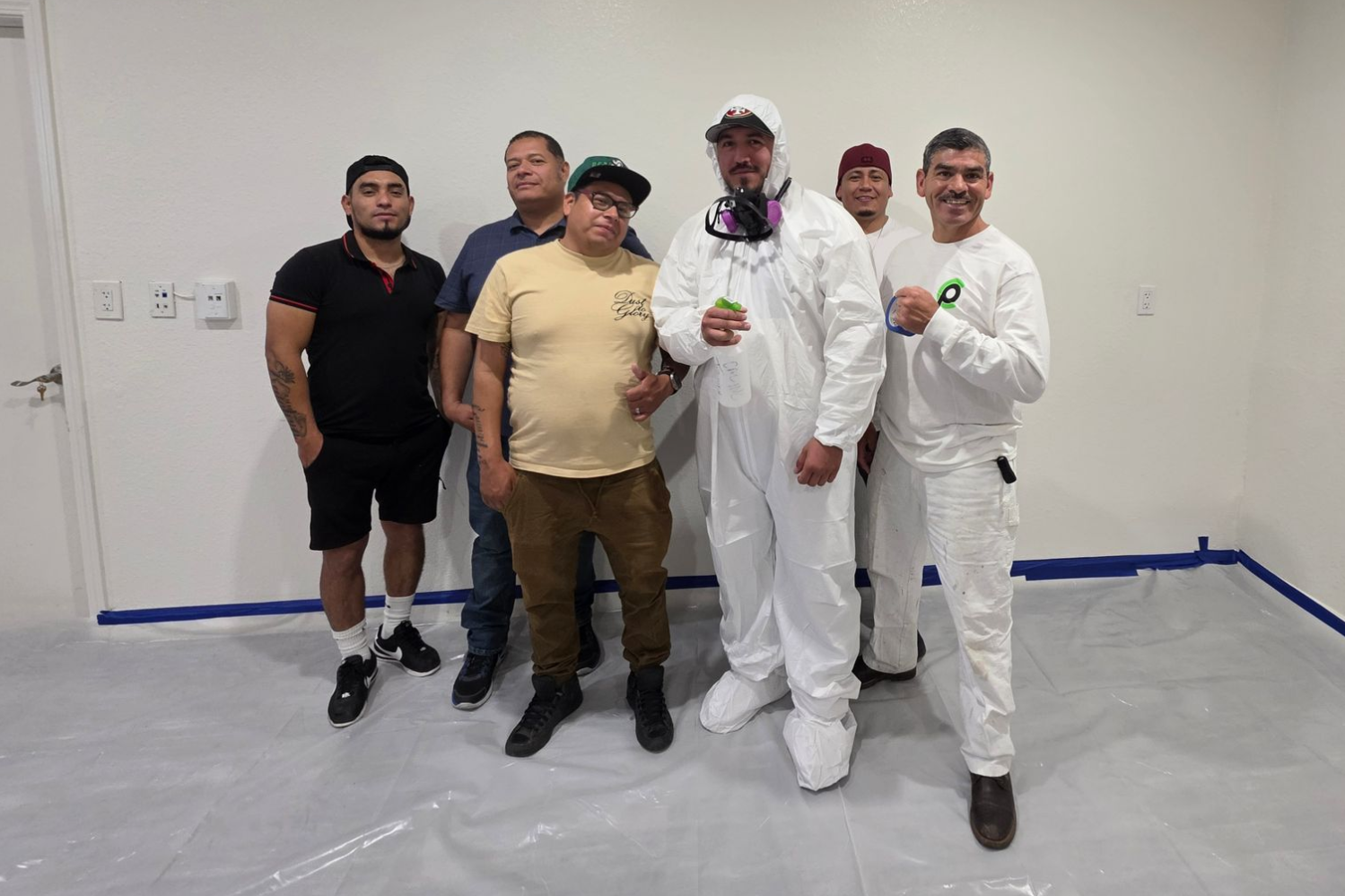
Recently, our team completed an EPA-accredited 8-hour RRP training course, which reinforces not only regulatory compliance but also our commitment to protecting tenants, workers, and property owners during every phase of a project.

What Is EPA RRP Certification?


The EPA RRP Rule (40 CFR 745.90 & Subpart L) is a federal regulation that requires certified renovators to follow lead-safe work practices when disturbing painted surfaces in buildings built before 1978.


To become certified:

  • Individuals must complete an EPA-accredited training course
  • Pass a certification exam
  • Receive a renovator certificate (valid proof of compliance)
  • Companies must also register with the EPA to perform regulated work


This certification allows contractors to legally perform renovation work involving potential lead-based paint hazards across most U.S. states and tribal areas.

Why Lead Safety Matters in Commercial Painting


Lead exposure is not just a regulatory concern—it is a serious health and environmental risk.


Without proper controls, renovation work can:

  • Release toxic lead dust into occupied spaces
  • Contaminate HVAC systems and shared building areas
  • Create long-term health risks for occupants and workers


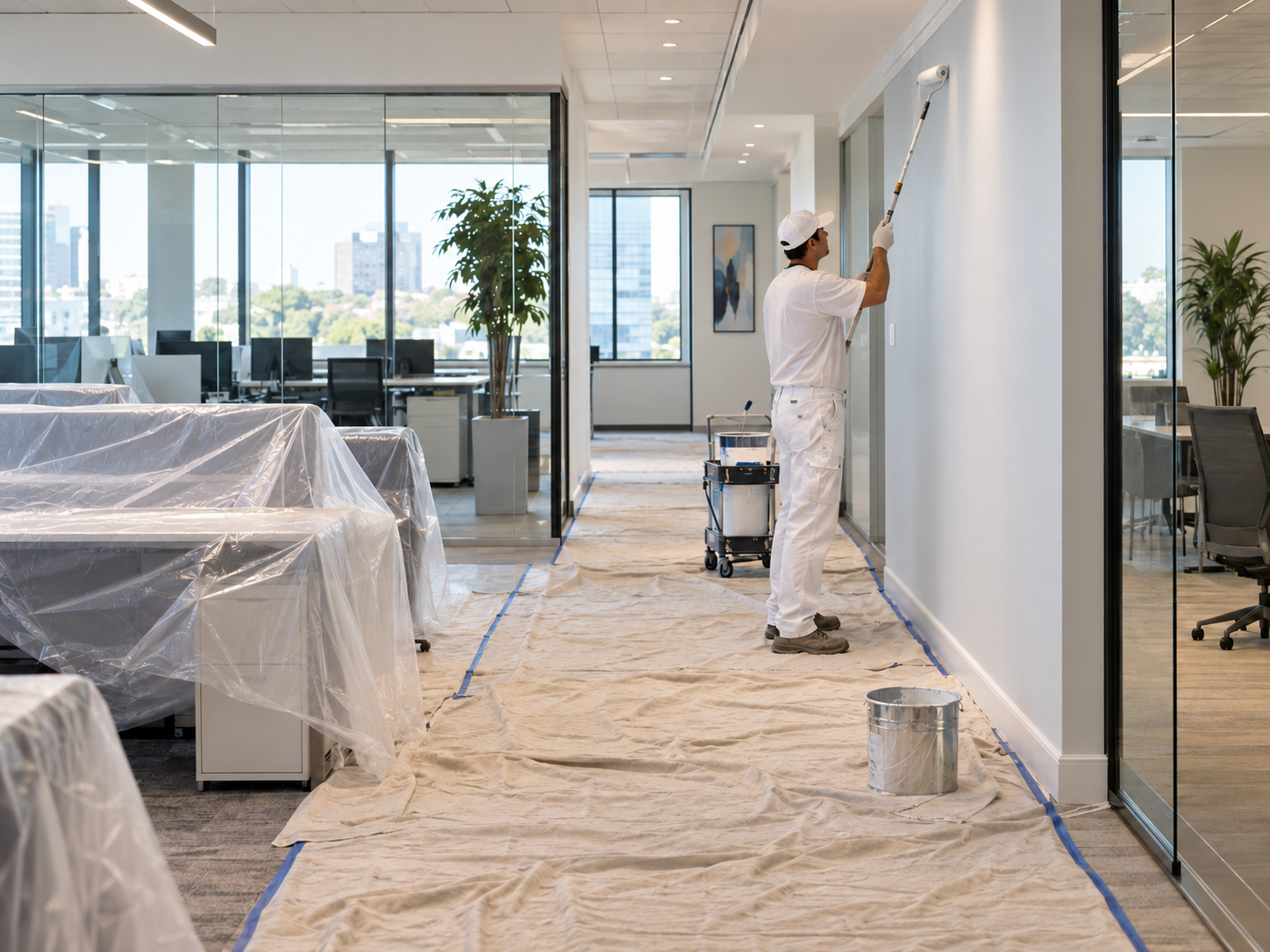
This is especially critical in commercial environments, where buildings often remain occupied during construction.

Protecting Tenants, Workers, and Property


EPA RRP certification ensures that work is performed using strict safety controls, including:

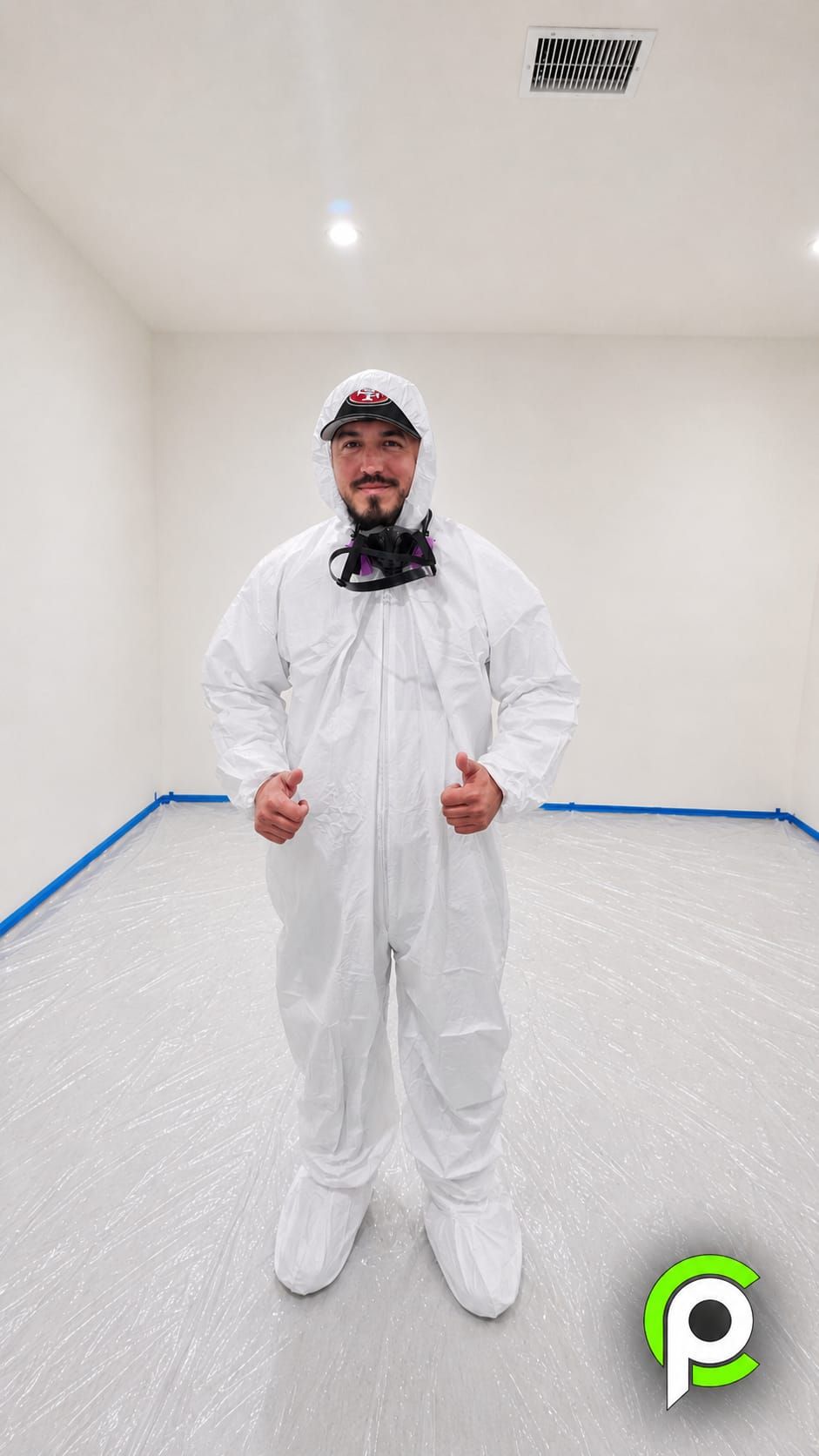
  • Containment procedures to isolate work areas
  • Dust control methods to prevent airborne contamination
  • HEPA vacuum cleaning and verification practices
  • Safe surface preparation techniques


These measures help protect:

  • Tenants and building occupants from exposure
  • Workers from occupational health risks
  • Property owners from contamination-related liability and cleanup costs

More Than Compliance—It’s Responsibility


While EPA certification is a legal requirement, it also represents a higher standard of professional responsibility.


For commercial painting contractors, it means:

  • Prioritizing health and safety over speed alone
  • Following documented, repeatable procedures on every project
  • Reducing risk through proper planning and execution
  • Building trust with facility managers and property owners


In short, certification reflects a commitment to doing the job the right way—not just the required way.

What Our Team Training Included


Our 8-hour EPA RRP certification course covered:

  • Health effects of lead exposure
  • EPA Renovation, Repair, and Painting Rule requirements
  • Lead-safe work practices
  • Containment setup and jobsite controls
  • Cleaning verification and recordkeeping
  • Final certification exam and same-day credentialing


This training ensures our team is fully prepared to handle regulated environments safely and effectively.

Why Company-Level Compliance Matters


Beyond individual certification, contractors must also ensure company-level compliance.


This includes:

  • EPA company registration
  • Proper documentation and recordkeeping
  • Consistent application of lead-safe procedures across all projects


Together, these requirements ensure full regulatory alignment and accountability at every level of a project.

Conclusion


EPA Lead RRP certification is more than a regulatory checkbox—it is a critical part of protecting people and property in commercial painting projects.


By investing in certified training and strict lead-safe practices, we ensure every project is completed with safety, compliance, and responsibility at the forefront.


If your facility requires renovation or painting in a pre-1978 building, working with a certified contractor is essential to reducing risk and maintaining compliance.

Contact Us

Facility manager reviewing contractor plans to prevent operational downtime during a commercial proj
June 4, 2026
Learn the 7 critical questions facility managers should ask contractors to prevent operational downtime and maintain business continuity during projects.
May 28, 2026
Facility maintenance budgeting is one of the most important responsibilities for property and facility managers. This guide outlines a practical step-by-step process to help facility managers estimate maintenance costs more accurately while improving long-term facility performance.
May 19, 2026
Discover how professional coordination and proactive communication can eliminate resident complaints and ensure success during large-scale HOA multi-unit projects.
May 14, 2026
Maximize your paint longevity by hitting the 50-85°F window. Learn why Bay Area microclimates make Spring the strategic choice for exterior home protection.
Commercial office interior painted with Sherwin-Williams ProMar 200 Zero VOC
May 6, 2026
Discover how our professional interior painting at 1870 Embarcadero transformed 33,000+ SF into a move-in-ready space for premium tenants in Palo Alto. Request an estimate today!
May 1, 2026
How we transformed the Santa Clara Convention Center in just 21 days for Super Bowl LX. See the power of architectural renderings, new stucco, and high-performance coatings.
Show More