

The Commercial Building Repainting Lifecycle Guide
Commercial Building Repainting Cycles by Property Type
Commercial paint does more than improve a building’s appearance. A properly maintained coating system protects surfaces from moisture, sunlight, corrosion, everyday wear, and other conditions that can lead to costly repairs.
However, commercial buildings do not all follow the same repainting schedule. A busy retail center may need painting more frequently than a warehouse, while an industrial facility may require specialized coatings and more regular inspections.
Understanding the typical repaint cycle for your property can help you plan ahead, manage maintenance budgets, and address coating problems before they spread.
Typical Commercial Repainting Cycles
The following timelines provide a general starting point for property managers, facility managers, HOA boards, and commercial property owners.
| Property Type | Typical Interior Repaint Cycle | Typical Exterior Repaint Cycle |
|---|---|---|
| Office buildings | 3–5 years | 5–10 years |
| Warehouses | 5–10 years | 7–10 years |
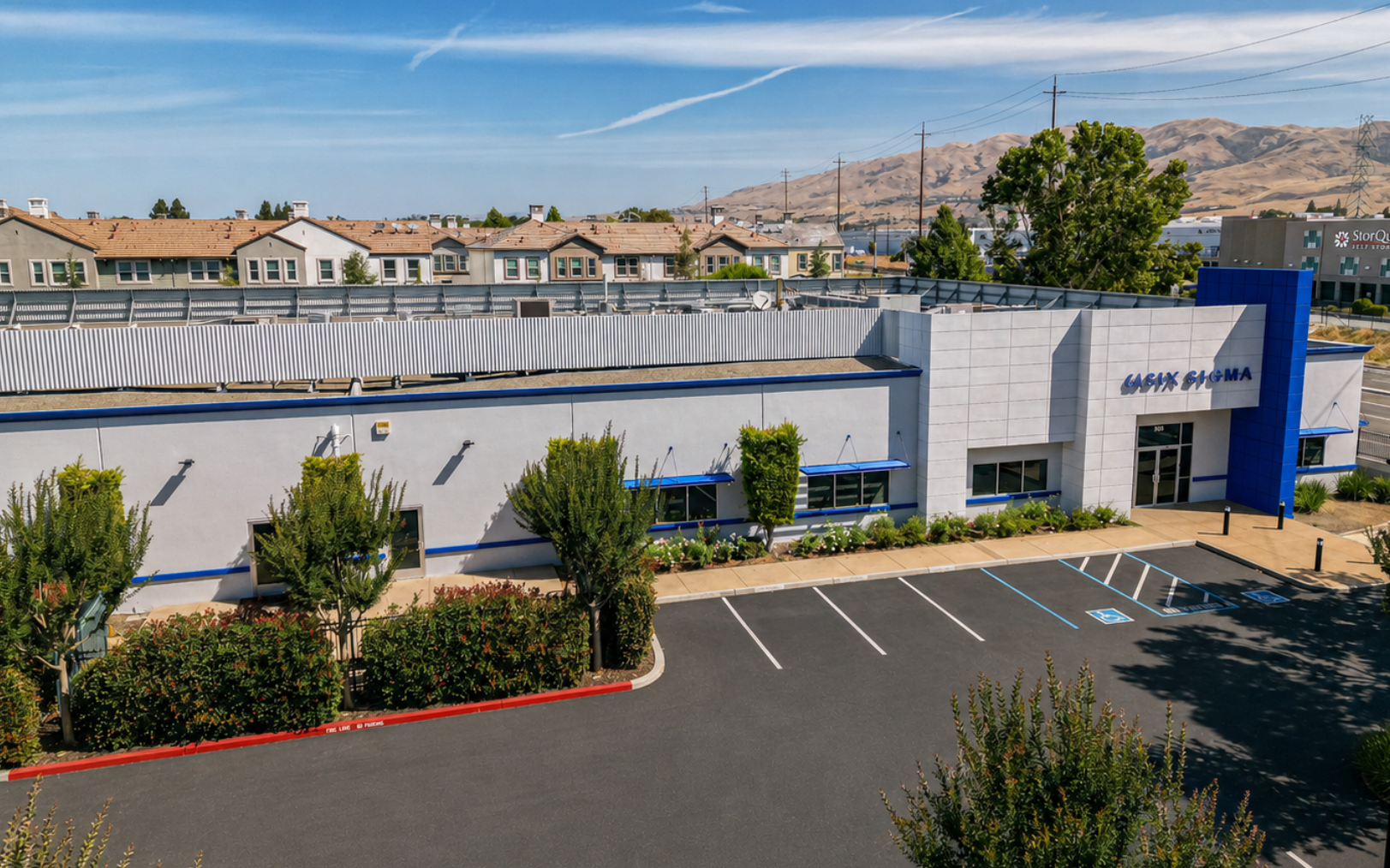
| Retail centers | 2–4 years | 5–7 years |
| HOAs and multifamily properties | 3–5 years for common areas | 5–10 years |
| Schools | 3–5 years | 5–8 years |
| Industrial buildings | 3–7 years | 5–10 years |
These ranges are planning guidelines rather than fixed deadlines. Climate, building materials, surface preparation, traffic, and maintenance can all shorten or extend the life of a commercial paint system.
Office Buildings
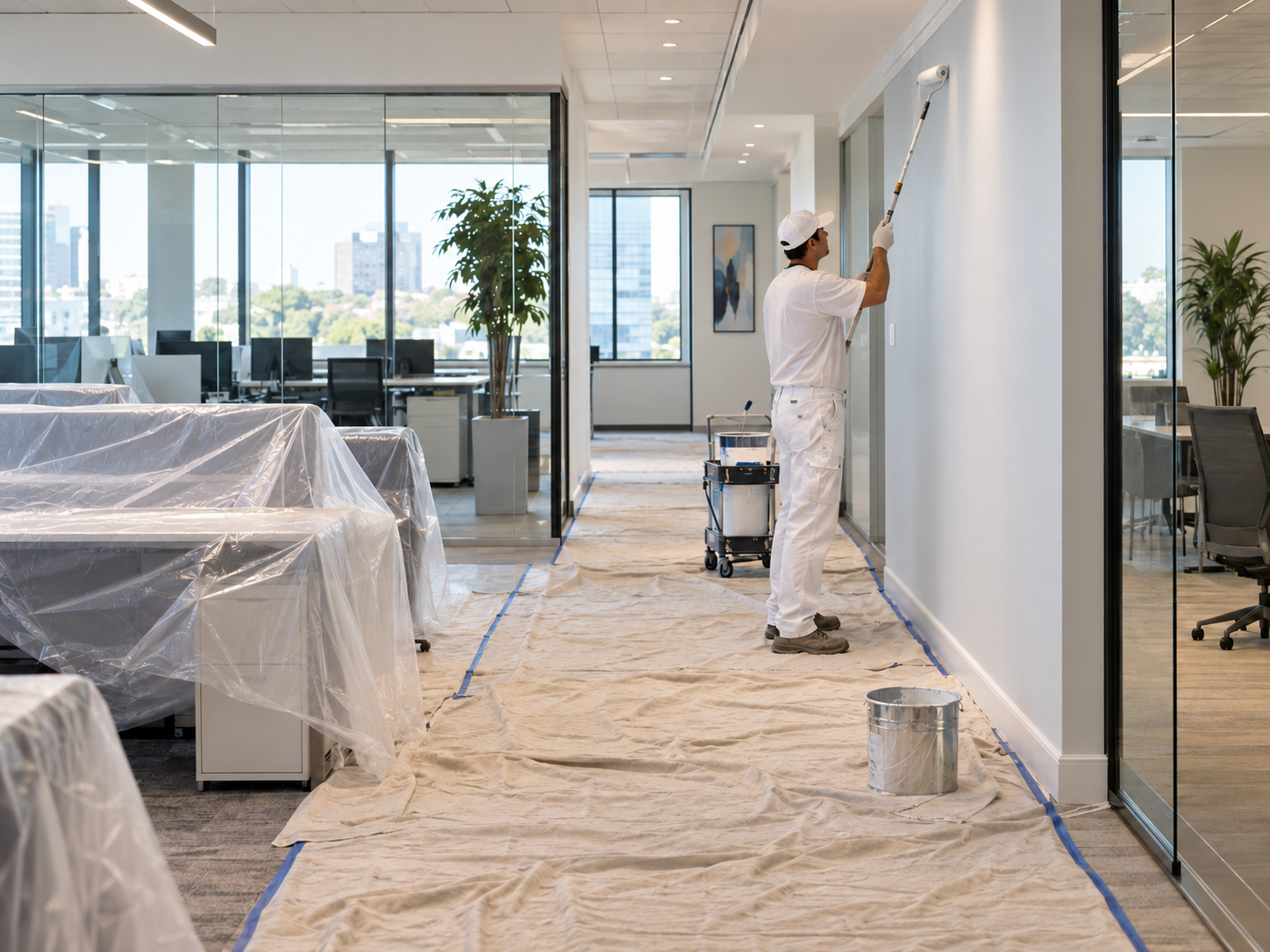
Office interiors are generally repainted every three to five years. Reception areas, hallways, break rooms, conference rooms, doors, and other high-traffic spaces may need attention sooner.
Private offices and areas with limited use may remain in good condition for longer.
Office exteriors typically fall within a five- to ten-year repainting cycle. Buildings exposed to strong sunlight, moisture, irrigation, or coastal weather may show fading and coating wear sooner.
Even when the paint is still protecting the surface, an office building may be repainted to maintain a clean and professional appearance for tenants, employees, and visitors.
Warehouses
Warehouse interiors often have longer repainting cycles because appearance may be less important than durability. However, loading docks, production areas, equipment zones, doors, safety markings, and frequently used corridors can experience significant wear.
Warehouse paint may be affected by:
- Equipment and pallet impacts
- Dust and dirt buildup
- Forklift traffic
- Moisture near loading areas
- Rust on exposed metal
- Frequent contact with walls and doors
Warehouse exteriors may last seven to ten years when the surfaces are properly prepared and the right coating system is used.
Periodic touch-ups can help prevent small areas of damage from turning into widespread peeling, corrosion, or coating failure.
Retail Centers
Retail centers typically require more frequent painting because appearance directly affects the customer experience.
Retail interiors may need repainting every two to four years, particularly when there are branding updates, tenant changes, renovations, or heavy customer traffic.
Exterior repainting is commonly completed every five to seven years. High-visibility areas may require attention earlier, including:
- Storefronts
- Main entrances
- Columns and trim
- Curbs and bollards
- Walkways
- Loading areas
- Signage locations
A faded or poorly maintained storefront can make an entire shopping center appear dated. For this reason, retail properties are often repainted before the coating reaches complete failure.
HOAs and Multifamily Properties
HOA communities and multifamily properties commonly plan exterior repainting every five to ten years.
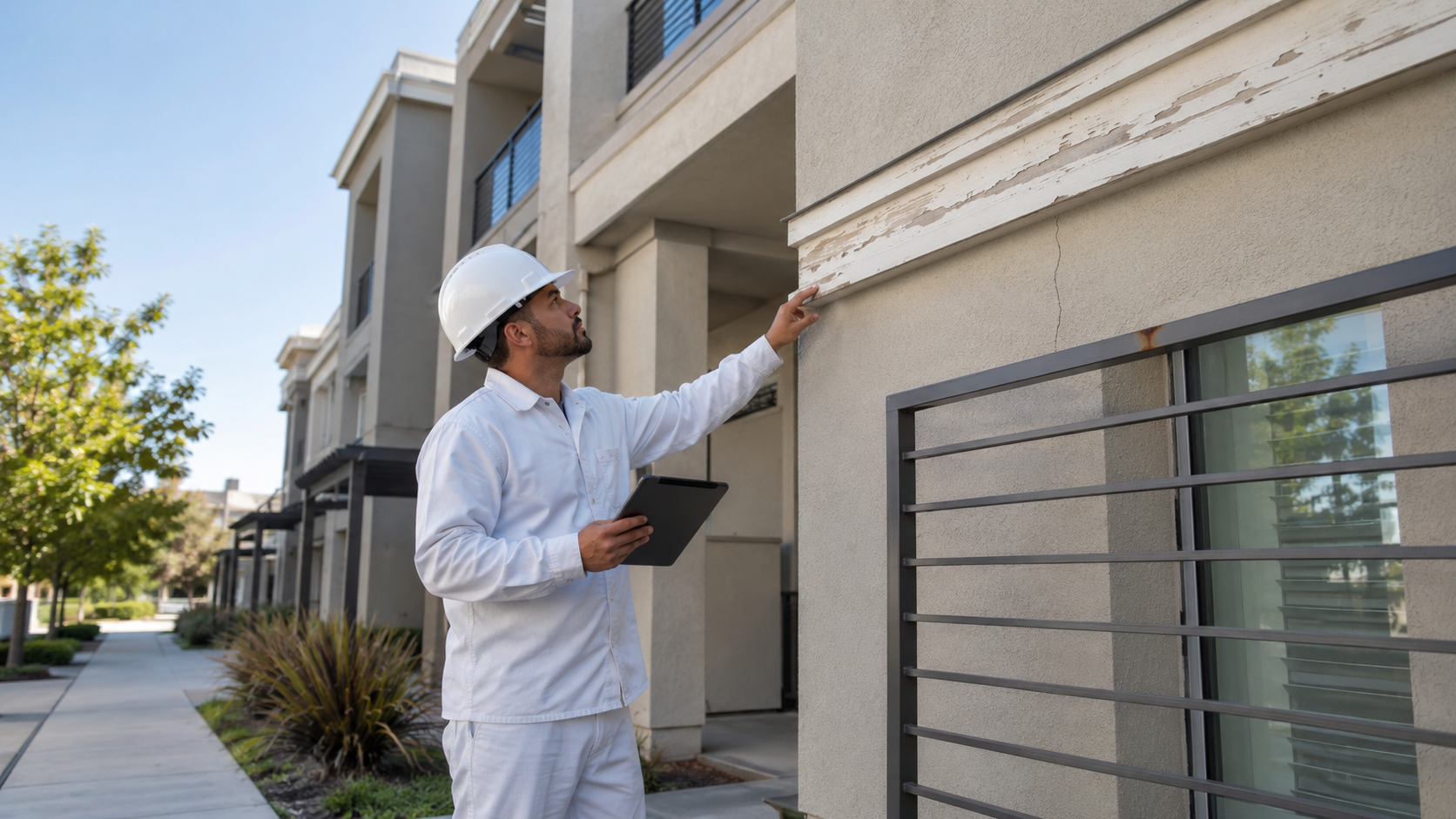
The exact timeline depends on the building materials, architectural details, previous preparation, and environmental exposure. Wood siding, fascia, railings, balconies, and trim may require more frequent maintenance than stucco or concrete surfaces.
Interior common areas such as hallways, clubhouses, stairwells, and lobbies may need repainting every three to five years.
HOA boards and community managers should begin evaluating the property before peeling and deterioration become widespread. Early planning provides time to:
- Inspect each building
- Identify wood rot or moisture damage
- Create a detailed scope of work
- Collect contractor proposals
- Notify residents
- Schedule the work in phases
- Include the project in reserve planning
Waiting too long can increase preparation, repair, and replacement costs.
Schools and Educational Facilities
Schools experience heavy foot traffic, frequent cleaning, wall contact, and daily wear. Classrooms, hallways, cafeterias, gymnasiums, and restrooms may need repainting every three to five years.
Doors, lockers, handrails, and busy corridors may require annual touch-ups.
School exteriors generally follow a five- to eight-year repaint cycle. Projects are often scheduled during summer, holiday breaks, or other low-occupancy periods to reduce disruption.
Washability, durability, low odor, and scheduling flexibility are important considerations when selecting coatings for educational facilities.
Industrial Buildings
Industrial repainting schedules vary significantly based on the building’s operations.
A light manufacturing facility may follow a schedule similar to a warehouse. Facilities exposed to chemicals, moisture, fumes, heat, abrasion, or corrosive materials may require more frequent inspections and specialty coating maintenance.
Important industrial surfaces include:
- Structural steel
- Equipment rooms
- Production areas
- Floors and traffic lanes
- Tanks and pipes
- Loading areas
- High-moisture spaces
In industrial environments, coating failure is not only an appearance issue. It can expose metal, concrete, and other building materials to corrosion and deterioration.

Factors That Shorten Commercial Paint Life
Several conditions can cause commercial paint to wear earlier than expected.
Sun and Weather Exposure
Direct sunlight can cause fading, chalking, and color loss. South- and west-facing elevations often show deterioration before shaded areas.
Bay Area buildings may also be affected by coastal moisture, fog, rain, inland heat, and changing temperatures.
Moisture Problems
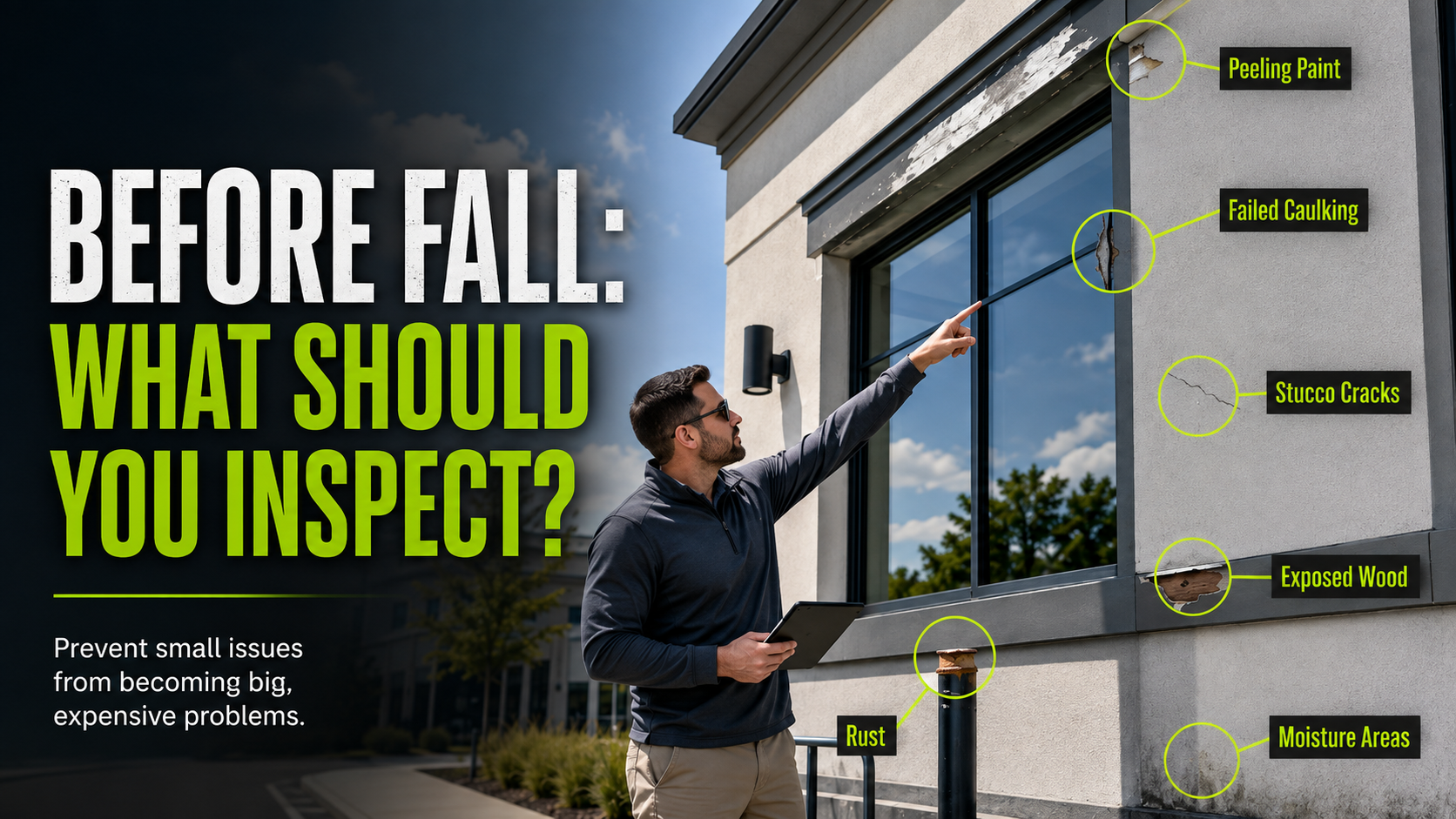
Leaks, failed caulking, irrigation, condensation, and poor drainage can contribute to peeling, blistering, mildew, and substrate damage.
Repainting without correcting the source of the moisture may only provide a temporary improvement.
Inadequate Surface Preparation
Paint performance depends heavily on preparation. Surfaces may need cleaning, scraping, sanding, patching, rust removal, repairs, and priming before new coatings are applied.
Even a premium paint product may fail early when applied over dirt, loose paint, or unstable surfaces.
Heavy Traffic and Impact
Schools, warehouses, retail centers, and multifamily common areas often experience scuffing, equipment impacts, furniture contact, and frequent cleaning.
These high-use areas may require repainting or touch-ups sooner than the rest of the property.
Incorrect Product Selection
Stucco, wood, metal, concrete, drywall, and previously coated surfaces may require different primers and coatings. The product must also be appropriate for the building’s environment and level of use.
Ways to Extend the Life of Commercial Paint
A proactive maintenance plan can help coatings remain attractive and protective for longer.
Property managers can extend paint life by:
- Inspecting painted surfaces annually
- Cleaning dirt, mildew, and environmental buildup
- Repairing leaks and drainage problems promptly
- Replacing cracked or failed caulking
- Touching up damaged areas before they spread
- Addressing rust and exposed surfaces early
- Choosing coatings designed for the substrate
- Investing in proper preparation
Smaller maintenance projects between full repaints can be especially helpful for doors, railings, storefronts, trim, loading areas, and elevations with heavy weather exposure.
Signs a Commercial Building Needs Repainting
A repainting decision should be based on the building’s condition—not only the number of years since the last project.
Watch for:
- Peeling, bubbling, or flaking paint
- Faded or uneven color
- Cracked or missing caulking
- Powdery or chalky surfaces
- Exposed wood, metal, concrete, or stucco
- Rust or corrosion
- Water stains or mildew
- Frequent touch-up areas
- An outdated or poorly maintained appearance
Addressing these warning signs early can reduce the amount of preparation and repair required during the next painting project.
Build Repainting Into Your Property Maintenance Plan
The best time to plan a commercial painting project is before widespread coating failure occurs.
A proactive repainting schedule gives property managers more time to establish a budget, coordinate with tenants, select the right products, and schedule work around building operations.
Commercial Painting Inc. helps property managers, facility managers, HOA communities, schools, retailers, and business owners protect and maintain properties throughout San Jose, Silicon Valley, and the greater Bay Area.
Schedule a free estimate with Commercial Painting Inc. to evaluate your building’s current paint condition and create a repainting plan based on your property’s needs.
Contact Us
We will get back to you as soon as possible.
Please try again later.