


Commercial Interior Paint Prep: What Quality Work Includes

October 22, 2026

A fresh coat of paint can completely transform a commercial interior. But what determines whether that finish looks professional and holds up over time often happens before the first coat is applied.


Proper surface preparation is one of the most important steps in any commercial interior painting project. From repairing damaged drywall to protecting surrounding surfaces, preparation directly affects how paint looks, adheres, and performs over time.


For property managers, facility managers, and commercial building owners, understanding what quality paint preparation includes can help set expectations, evaluate proposals, and avoid premature coating failures.


At Commercial Painting Inc., we understand that a successful interior repaint starts with more than choosing the right color. It starts with creating the right surface.

Why Surface Preparation Matters in Commercial Painting


Commercial interiors experience daily wear and tear. Office corridors, conference rooms, lobbies, tenant spaces, and common areas are constantly exposed to foot traffic, furniture movement, cleaning, and general building activity.


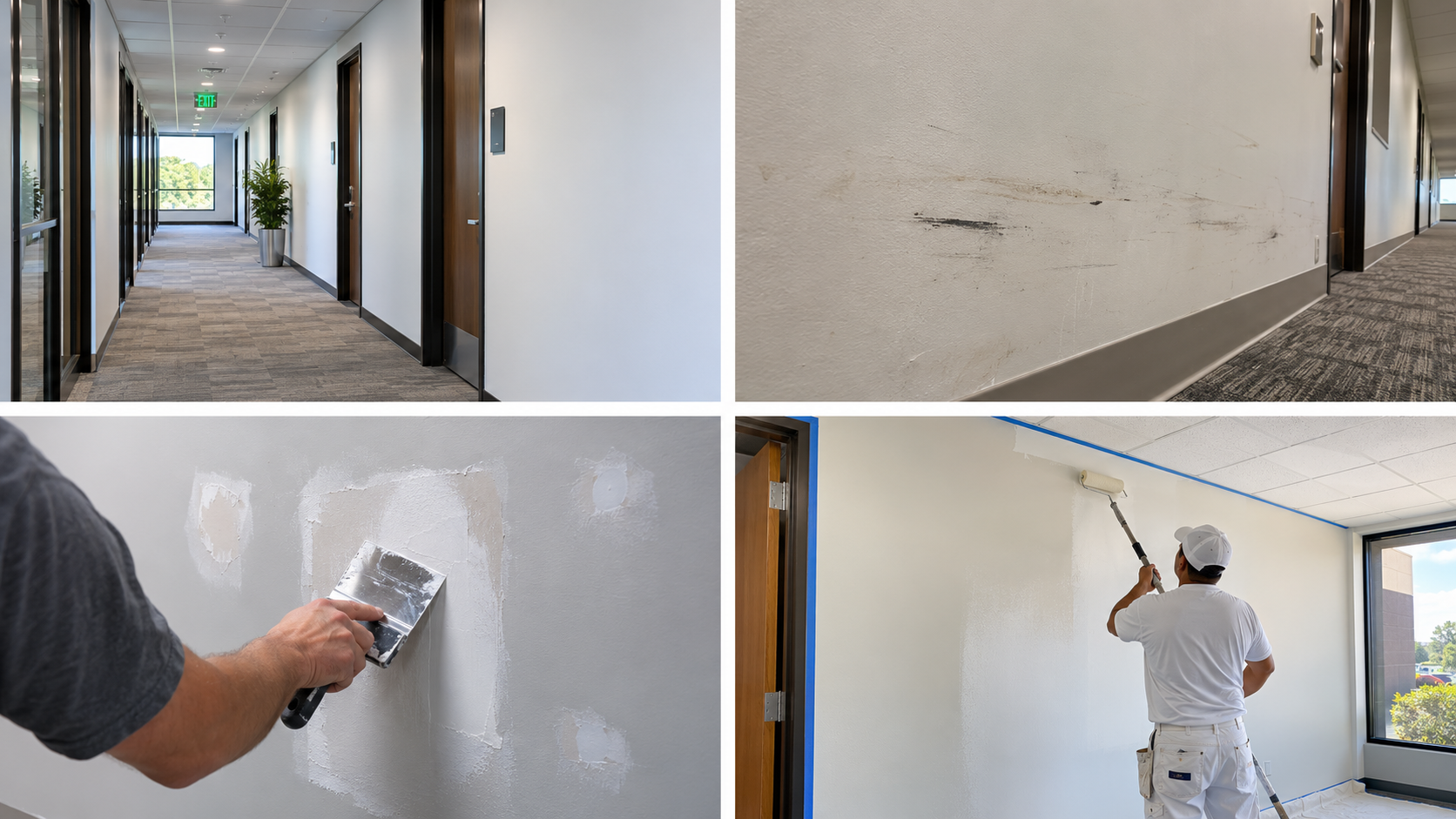
Over time, walls develop scuffs, dents, cracks, stains, and other imperfections.


Simply painting over these conditions may temporarily improve their appearance, but it does not address the underlying issues.


Proper commercial interior paint preparation helps:

  • Create a smoother, more consistent finish
  • Improve paint adhesion to existing surfaces
  • Reduce the likelihood of peeling and premature failure
  • Prevent repaired areas and stains from showing through
  • Protect flooring, furniture, and surrounding finishes
  • Extend the useful life of the coating system


The quality of the finished paint job depends heavily on the condition of the surface underneath it.

1. Inspecting and Repairing Surface Damage


Before painting begins, walls and other surfaces should be inspected for visible damage.


Common issues in commercial interiors include:

  • Nail and screw holes from removed fixtures or signage
  • Dents caused by furniture or equipment
  • Hairline cracks in drywall
  • Damaged corners and wall edges
  • Uneven patches from previous repairs
  • Loose or deteriorating existing paint


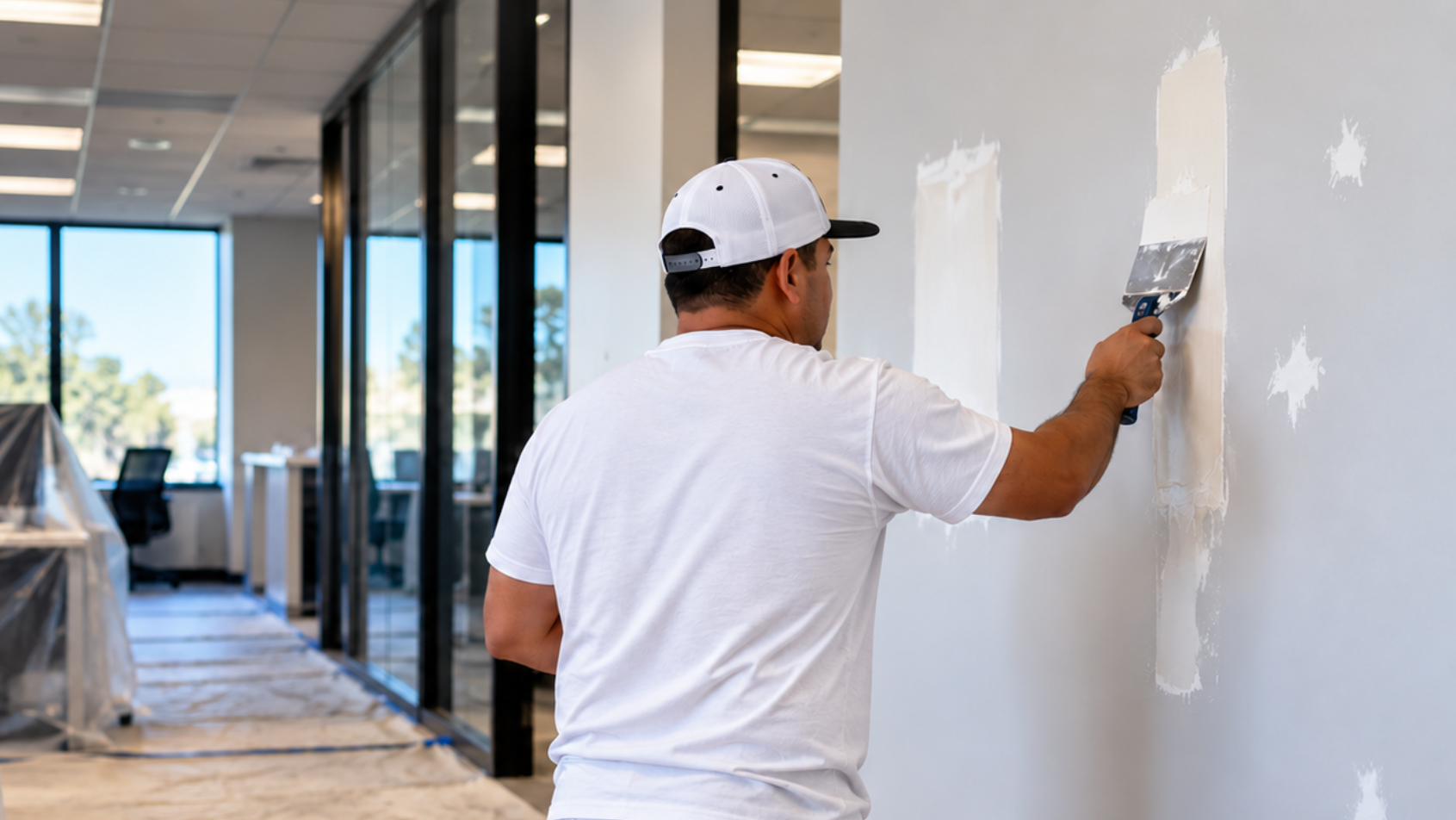
Depending on the condition, repairs may involve filling holes, applying joint compound, repairing damaged drywall, or addressing deteriorated surfaces.


Once the repair materials have properly dried or cured, the areas are sanded to create a smooth transition with the surrounding wall.


Why it matters: Paint does not hide every surface imperfection. In fact, certain finishes and lighting conditions can make dents, patches, and uneven repairs more noticeable.


Proper repairs help create a consistent appearance across the finished surface.

2. Sanding and Smoothing Surfaces


Sanding is an important part of preparing walls, doors, trim, and other previously painted surfaces.


It helps smooth repaired areas, remove minor imperfections, and prepare suitable existing coatings for better adhesion.


For commercial interiors, this may include:

  • Smoothing patched drywall
  • Feathering the edges of repaired areas
  • Lightly sanding glossy painted surfaces when required
  • Removing loose or flaking paint
  • Preparing doors, frames, and trim for recoating


The amount of sanding depends on the existing surface condition and the coating system being used.


After sanding, dust and residue must be removed before primer or paint is applied.


Why it matters: Dust, loose paint, and uneven surfaces can interfere with coating adhesion and leave visible defects in the final finish.

3. Caulking Gaps and Seams


Small gaps around trim, baseboards, door frames, and other interior joints can affect the overall appearance of a painted space.


Where appropriate, a compatible paintable caulk can be used to create cleaner transitions between surfaces.


Typical areas include:

  • Baseboards and wall joints
  • Door and window trim
  • Interior molding
  • Minor gaps at stationary finish joints


Not every crack or joint should be caulked. Movement joints and gaps caused by underlying structural or moisture issues may require a different solution.


Why it matters: Proper caulking helps create clean, finished lines and improves the visual consistency of interior spaces.

4. Stain Blocking and Priming


Not every surface is ready for finish paint immediately after cleaning and repairs.


Some areas require primer to improve adhesion, seal porous surfaces, or prevent discoloration from showing through the final coating.


Common situations that may require priming include:

  • Newly repaired drywall
  • Bare or exposed substrate
  • Significant color changes
  • Previously stained surfaces
  • Areas with uneven porosity
  • Certain glossy or difficult-to-coat surfaces


Water stains, ink marks, and other discoloration may require specialized stain-blocking primers.


However, stains caused by active leaks or moisture problems should not simply be covered. The underlying source must be identified and corrected before repainting.


Why it matters: Proper primer selection helps promote uniform coverage and reduces the risk of flashing, uneven sheen, and stain bleed-through.

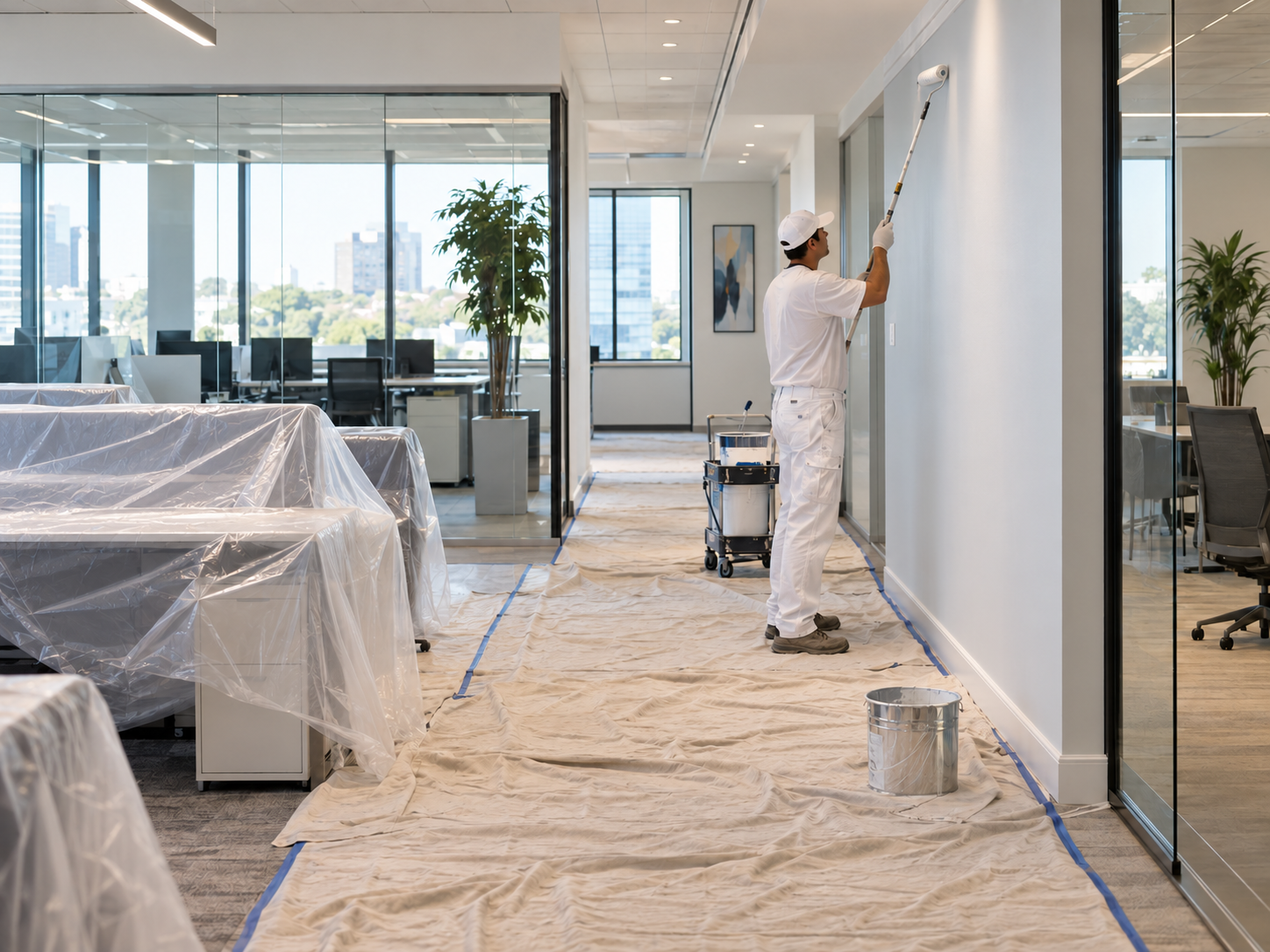
5. Protecting Floors, Furniture, and Fixtures


Surface preparation goes beyond the walls themselves.


In commercial buildings, protecting the surrounding environment is an essential part of professional project execution.


Before painting, crews may need to:

  • Cover flooring with appropriate protective materials
  • Move or protect furniture and equipment
  • Mask doors, windows, and adjacent finishes
  • Protect fixtures, hardware, and electrical devices
  • Establish designated work areas
  • Coordinate access with tenants or building staff


For occupied offices and commercial facilities, these steps are especially important.


Proper containment and protection help reduce disruption, prevent accidental paint damage, and maintain a more organized work environment.


Why it matters: A quality painting project should improve the property without creating unnecessary damage or disruption to surrounding areas.

6. Cleaning Before Painting


One of the most overlooked preparation steps is making sure surfaces are clean.


Commercial interior walls can accumulate dust, oils, fingerprints, and residue from daily use and cleaning products.


These contaminants can interfere with paint adhesion.


Depending on the surface, preparation may include removing dust, wiping down walls, cleaning high-contact areas, and allowing surfaces to dry completely before coating.


Doors, frames, and other frequently touched surfaces may require additional attention because of accumulated oils and grime.


Why it matters: Even a properly repaired and primed wall can experience coating problems if paint is applied over dirt or contamination.

What Property Managers Should Look for in a Painting Proposal


When comparing commercial interior painting estimates, it is important to look beyond the number of coats and the final price.


The preparation scope can significantly affect both the cost and quality of the finished project.


Before approving a proposal, consider asking:

  • What drywall repairs are included?
  • Will holes, cracks, and damaged areas be patched and sanded?
  • Which surfaces require primer?
  • How will flooring, furniture, and equipment be protected?
  • Are doors, frames, baseboards, and trim included?
  • How will dust, debris, and daily cleanup be managed?
  • Are there any existing conditions that require additional repairs?


Clear preparation expectations help reduce misunderstandings and make it easier to compare proposals fairly.


A lower estimate may not always include the same level of surface preparation as a more comprehensive scope.

Quality Before Color: The Foundation of a Lasting Finish


A professional commercial interior repaint is about more than making walls look new.


It is about preparing surfaces correctly, selecting appropriate coating systems, protecting the property, and delivering a finish that performs under everyday building conditions.


While color and sheen are important design decisions, they cannot compensate for inadequate preparation.


For commercial properties throughout San Jose, Silicon Valley, and the greater Bay Area, investing in proper surface preparation helps support a cleaner appearance, better coating performance, and a longer-lasting result.

Plan Your Next Commercial Interior Painting Project


Whether you're refreshing an office, preparing a space for new tenants, or maintaining common areas, the quality of your next paint job begins before the first coat.


Commercial Painting Inc. provides professional interior painting services for commercial properties throughout San Jose, Silicon Valley, and the Bay Area.


Our team can assess existing surface conditions, identify preparation needs, and help develop a painting scope suited to your property's requirements.


Ready to refresh your commercial interior?


Contact Commercial Painting Inc. to schedule a free estimate and discuss your next project.

Contact Us

Freshly painted commercial office interior showcasing smooth walls, consistent finishes, and profess
October 15, 2026
Learn when to repaint commercial interiors, from scuffed walls to fading paint. Discover when touch-ups are enough and when a full repaint makes more sense.
October 8, 2026
See how Commercial Painting Inc. transformed Polycorp’s San Jose industrial facility after 30 years without an exterior repaint.
October 1, 2026
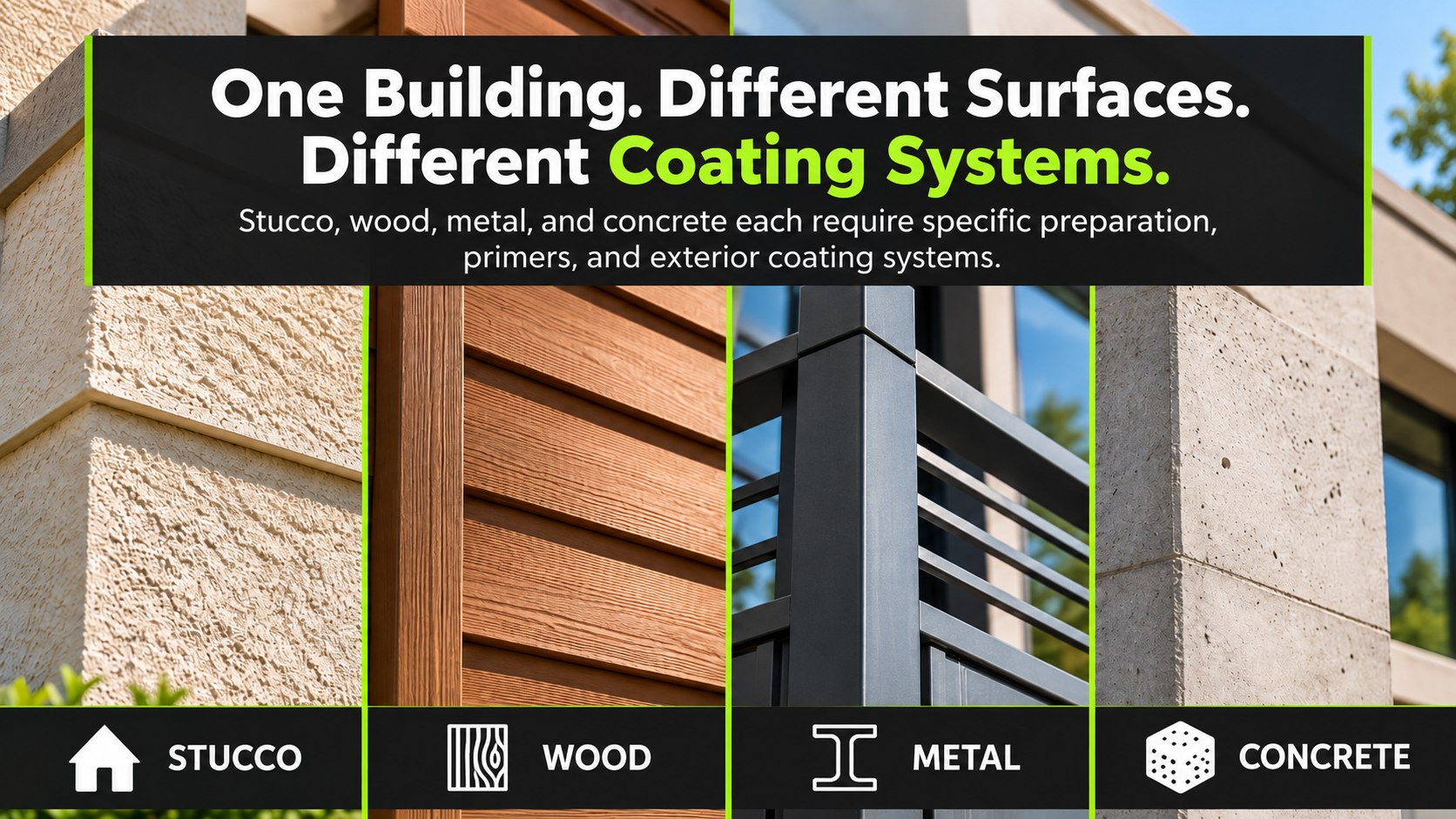
Learn how coating systems differ for stucco, wood, metal and concrete—and what property managers should evaluate before specifying an exterior repaint.
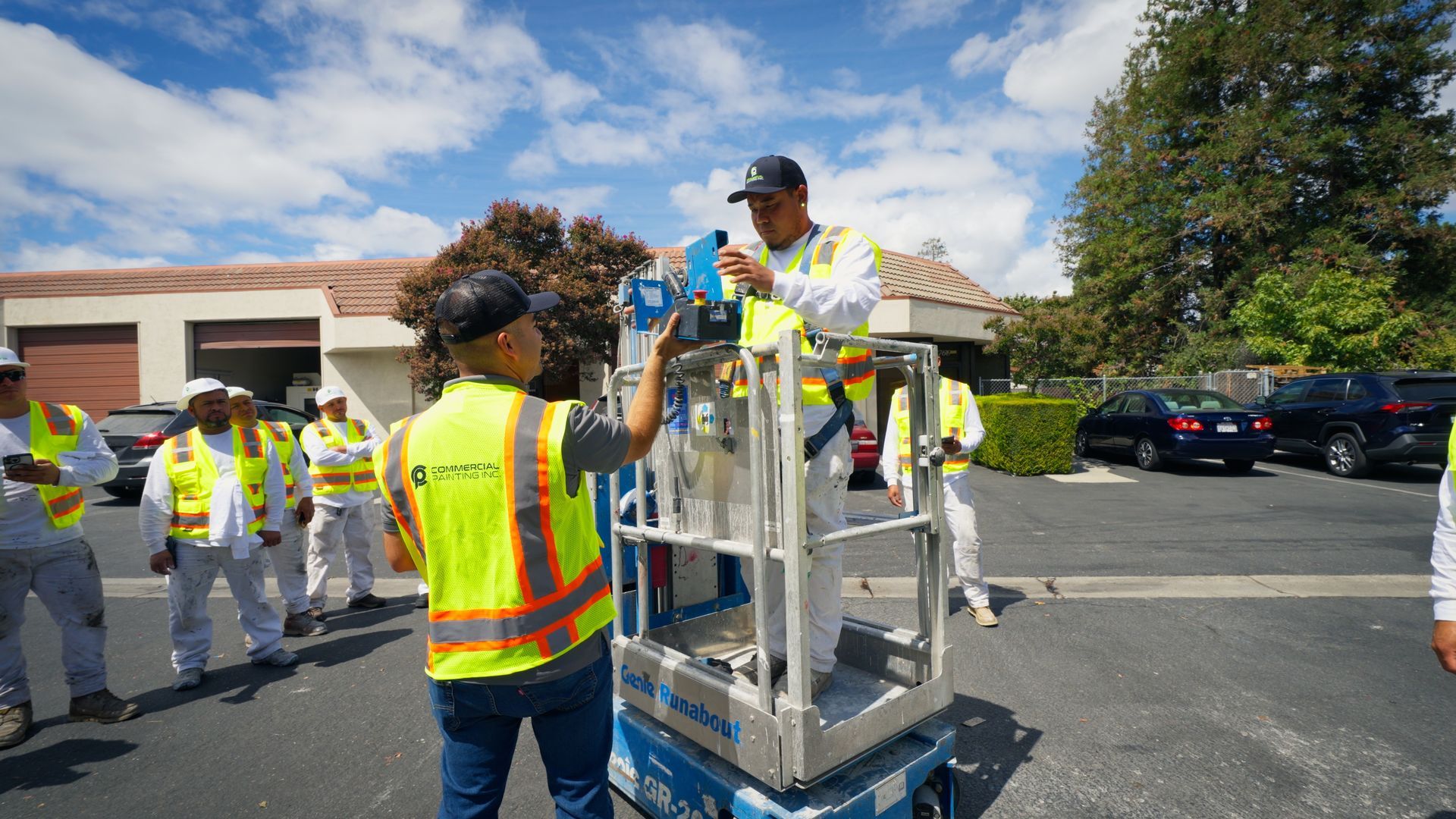
Commercial Painting Inc. certified lift operator completing aerial lift training
September 24, 2026
Learn how Commercial Painting Inc.’s aerial lift and MEWP-certified operators help support safer, more efficient commercial painting projects.

Property manager and commercial painting contractor planning a 2027 painting project
September 17, 2026
Commercial property manager reviewing building conditions and planning upcoming painting and maintenance projects with a professional painting contractor.
Commercial interior painting with low-VOC paint in an occupied office
September 10, 2026
Learn how low-VOC paint affects odor, occupancy, drying time and durability—and where it makes the most sense for commercial interior spaces.
Show More