

When Should You Repaint a Commercial Interior?
A Facility Manager’s Guide to Recognizing When Maintenance Is No Longer Enough
A commercial interior doesn't have to look severely damaged to need repainting. Over time, everyday activity leaves its mark on walls, doors, ceilings, and other painted surfaces. Scuff marks accumulate, colors begin to fade, and repeated touch-ups can leave a space looking inconsistent.
For property managers and facility managers, the challenge is knowing when routine maintenance is enough and when a larger repaint is the smarter investment.
Repainting too early can mean unnecessary expenses, while waiting too long can affect a property's appearance, increase surface preparation needs, and make future maintenance more complicated.
So, how do you know when it's time?
Here are the key signs to evaluate when assessing the condition of your commercial interior.
1. Scuff Marks and High-Traffic Wear
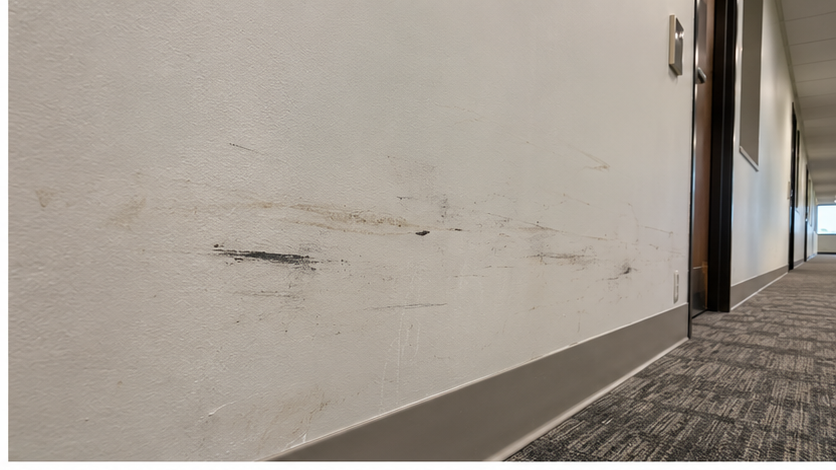
One of the earliest signs of interior paint deterioration is visible wear in high-traffic areas.
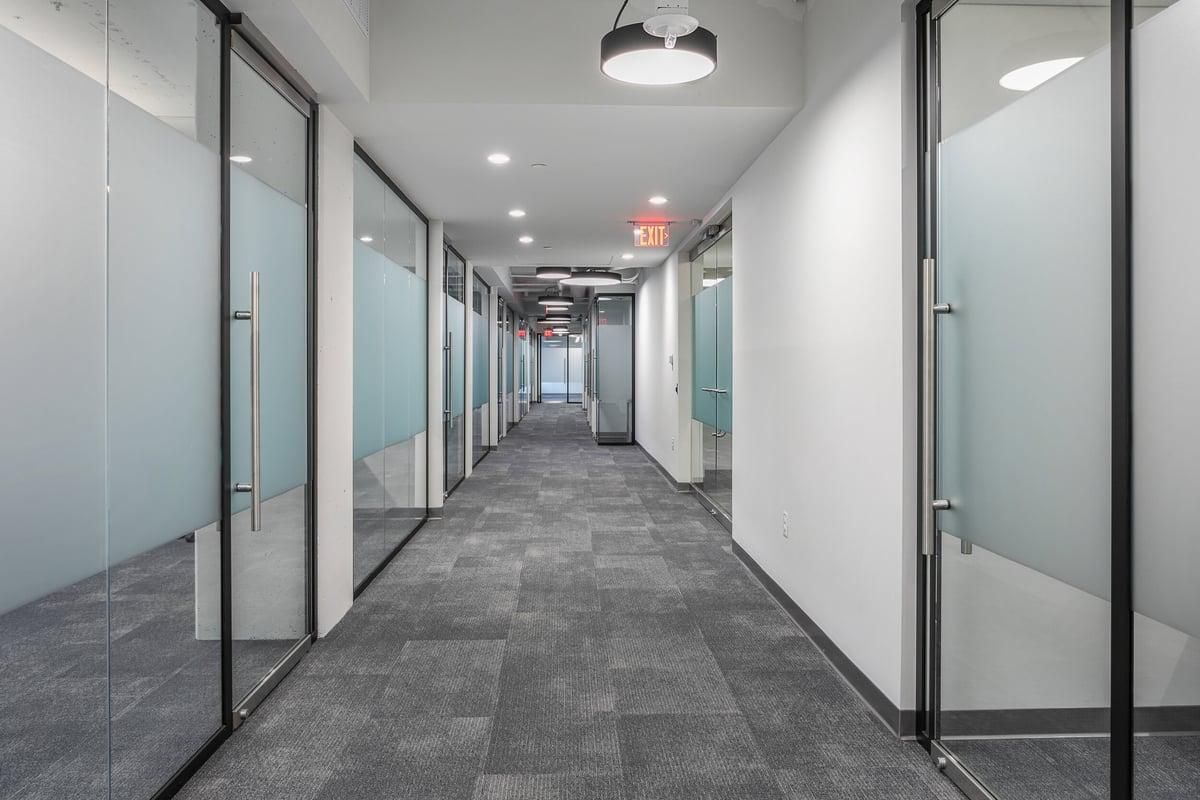
Hallways, stairwells, lobbies, corridors, and shared spaces experience constant activity. Over time, walls can develop scuff marks from furniture, equipment, carts, and everyday contact.
When maintenance is enough:
- Scuffs are limited to small areas.
- Marks can be removed through appropriate cleaning.
- The existing paint remains intact.
- Touch-ups can blend with the surrounding finish.
When repainting makes more sense:
- Scuff marks cover large sections of walls.
- Repeated cleaning has worn down the finish.
- Multiple touch-ups have created visible patches.
- The space looks worn despite regular maintenance.
If the same areas require constant attention, repainting with an appropriate durable, washable coating may provide a more practical long-term solution.

2. Fading and Uneven Paint Color
Paint color can change gradually due to sunlight, cleaning, aging, and environmental conditions.
In commercial buildings with large windows or significant natural light exposure, certain walls may fade faster than others.
This can result in noticeable differences between surfaces, especially when furniture, artwork, or wall fixtures are moved.
Signs that fading may require repainting include:
- Uneven color across large wall sections.
- Noticeable differences between sun-exposed and shaded areas.
- Walls that look dull despite cleaning.
- Existing paint that no longer matches available touch-up materials.
Minor fading may not justify a full repaint. However, when color inconsistencies affect the overall appearance of a room or common area, repainting the entire wall or connected space often produces a more uniform result.
3. Patched Walls and Damaged Drywall
Commercial interiors frequently undergo changes.
New tenants move in, office layouts are modified, equipment is relocated, and wall-mounted fixtures are removed or replaced.
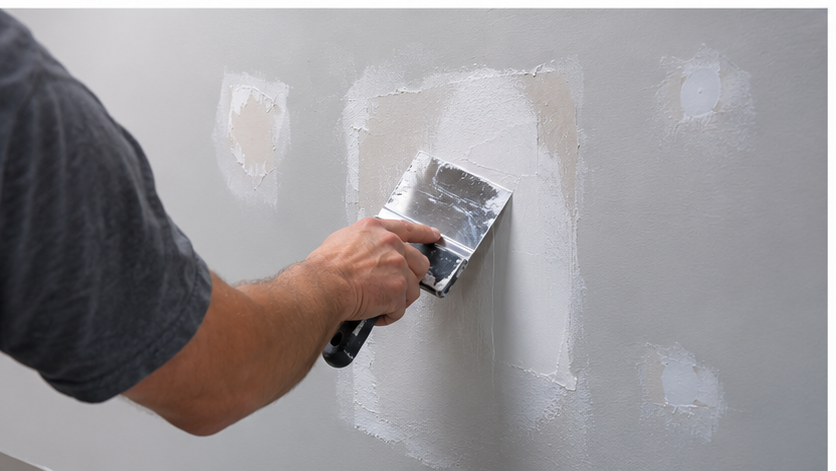
These changes often leave behind nail holes, dents, drywall patches, and other surface imperfections.
While small repairs are a normal part of building maintenance, repeated patching can eventually affect the appearance of the finished walls.
Consider a larger repaint when:
- Drywall repairs are visible across multiple areas.
- Patched sections have different textures or finishes.
- Previous repairs show through the existing paint.
- Wall damage extends beyond isolated locations.
A professional repainting project should address necessary surface preparation before applying new coatings.
Depending on the condition of the walls, this may include patching, sanding, texture matching, spot priming, and finish painting.
The goal is not simply to cover imperfections but to create a consistent, professional appearance.
4. Stained or Discolored Ceilings
Ceilings are sometimes overlooked during interior maintenance assessments.
However, stained or discolored ceilings can make an otherwise well-maintained commercial space appear neglected.
Common concerns include:
- Water stains from previous leaks.
- Discoloration around HVAC vents.
- Yellowing or uneven ceiling color.
- Visible marks from previous repairs.
Before repainting a stained ceiling, it's important to identify and address the source of the discoloration.
For example, an active roof or plumbing leak must be repaired before applying new coatings. Moisture-damaged materials may also require additional evaluation or replacement.
Once the underlying issue has been resolved and the surface is suitable for painting, proper preparation and stain-blocking primers can help restore a clean, uniform finish.
5. Worn Doors, Frames, and Trim
Walls aren't the only surfaces that experience wear.
Interior doors, metal frames, baseboards, and trim often show signs of deterioration before surrounding walls do.
In busy commercial facilities, these surfaces are frequently exposed to contact from carts, cleaning equipment, furniture, and daily use.
Look for:
- Chipped or scratched paint on door frames.
- Worn finishes around handles and edges.
- Peeling paint on trim.
- Visible metal or underlying substrate.
- Inconsistent finishes between doors and adjacent walls.
In some cases, repainting doors and frames alone may be enough to refresh the appearance of a space.
However, when deterioration is widespread, incorporating these surfaces into a coordinated interior repaint can provide a more consistent result.
7. Outdated Colors and Changing Tenant Needs
Not every interior repaint is driven by physical damage.
Sometimes, the paint is still in reasonable condition, but the space no longer reflects the needs of the property or its occupants.
This is especially common in office buildings, retail spaces, and tenant improvement projects.
A repaint may be worth considering when:
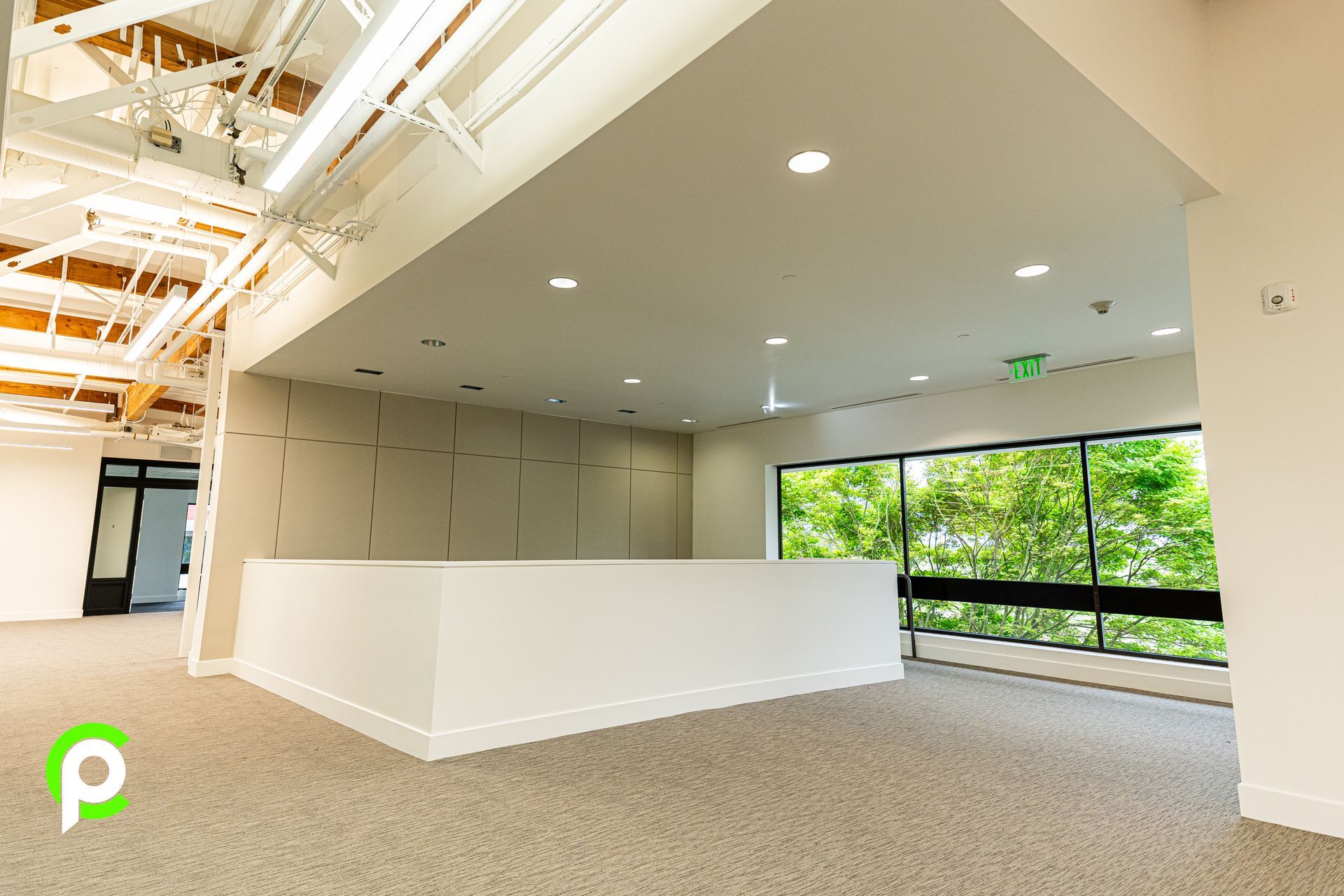
- Preparing a commercial space for new tenants.
- Updating common areas or reception spaces.
- Modernizing an older office environment.
- Aligning interiors with updated branding.
- Refreshing a property before leasing or marketing.
Neutral, coordinated color schemes can help create a clean and adaptable environment for different occupants.
For property managers, interior painting can also be an opportunity to improve the presentation of vacant suites and shared spaces without undertaking a complete renovation.

9. Maintenance Touch-Up or Full Repaint? How to Decide
When evaluating a commercial interior, consider three key questions.
1. Is the damage isolated or widespread?
Small scratches, scuffs, and minor drywall repairs may be addressed through routine maintenance. Widespread damage across multiple walls or rooms may justify a larger project.
2. Can the existing finish be restored consistently?
If cleaning and touch-ups restore the appearance of the surface, a full repaint may not be necessary. If the results remain patchy or uneven, repainting the complete wall or area may be more effective.
3. Does the space still meet the property's appearance standards?
A surface can be technically sound while still looking outdated or poorly maintained. Consider how the space is used and the expectations of tenants, visitors, and building ownership.
These questions help property managers prioritize maintenance spending and determine which areas need attention first.
10. Planning an Interior Repaint Without Disrupting Operations
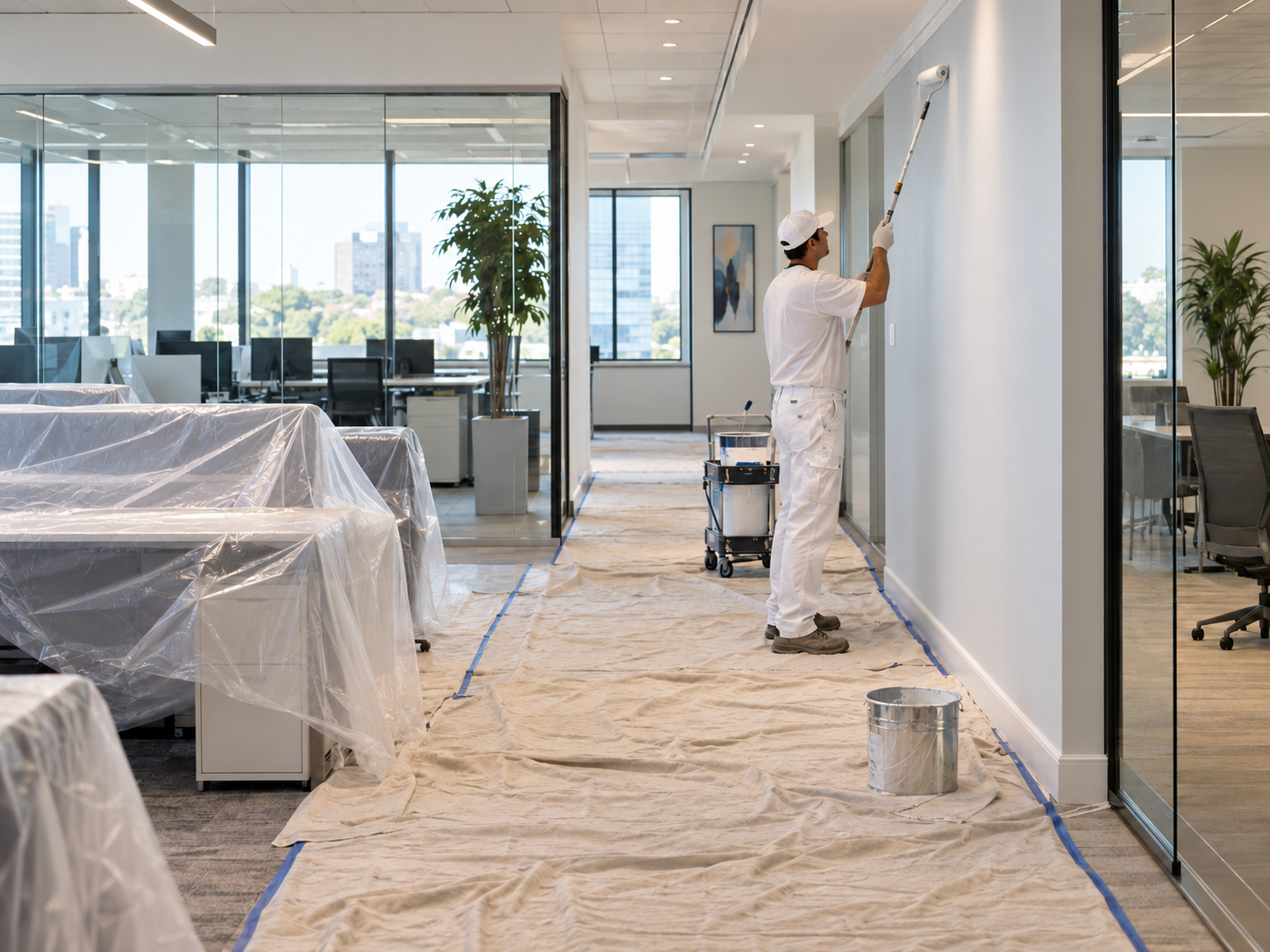
Once repainting becomes necessary, the next step is planning the work around the building's daily operations.
For occupied commercial properties, coordination is just as important as the finished appearance.
An experienced commercial painting contractor can help evaluate:
- Areas that require immediate attention versus those that can be scheduled later.
- Opportunities for phased painting.
- After-hours or weekend scheduling when appropriate.
- Tenant and employee access requirements.
- Surface preparation and repair needs.
- Coating options based on traffic, cleaning, and durability requirements.
- Ventilation, odor management, and daily cleanup.
A planned approach allows property managers to address deteriorating surfaces while minimizing unnecessary interruptions to tenants and building operations.

Protect Your Commercial Interior with the Right Maintenance Plan
Knowing when to repaint a commercial interior is about more than following a calendar.
It's about recognizing the difference between normal wear and conditions that affect the appearance, performance, and long-term maintenance of your property.
Scuffed walls, fading colors, visible drywall patches, stained ceilings, and worn doors may seem like small issues individually. But when these conditions become widespread, they can signal that routine touch-ups are no longer the most effective solution.
At Commercial Painting Inc., we help property managers, facility managers, and commercial property owners throughout San Jose, Silicon Valley, and the Bay Area evaluate interior painting needs and plan projects around their facilities' operations.
Whether you're refreshing a single tenant space, updating common areas, or planning a larger interior repaint, our team can help you determine the right approach.
Is your commercial interior ready for a refresh?
Contact Commercial Painting Inc. to schedule a free estimate and discuss your property's interior painting needs.
Contact Us
We will get back to you as soon as possible.
Please try again later.