


Low-VOC Paint for Commercial Interiors: What Facility Managers Need to Know

September 10, 2026

When a commercial interior needs repainting, color is only part of the decision.


For facility and property managers, the coating you choose can affect how a project impacts employees, tenants, customers, patients, students, and daily operations. Odor, ventilation, occupancy schedules, drying time, durability, and ongoing maintenance all need to be considered—especially when the building needs to remain operational during the work.


That’s where low-VOC paint can make a significant difference.


Low-VOC products can help reduce paint odors and emissions during interior painting, making them especially useful for occupied commercial environments. But choosing low-VOC paint isn’t simply a matter of finding the lowest number on a label.


Here’s what facility managers should understand before specifying a coating.

What Are VOCs?


VOC stands for volatile organic compound.


VOCs are chemicals that can be released as gases from certain materials, including paints, coatings, solvents, cleaning products, adhesives, and building materials. Some VOCs may have short- or long-term health effects, which is one reason indoor air quality has become an increasingly important consideration in commercial buildings.


When paint dries, some of these compounds can be released into the surrounding air.


A low-VOC paint is formulated with lower VOC content than conventional alternatives. Zero-VOC products reduce that content even further.


However, VOC content isn't the entire indoor-air-quality story. A product labeled low- or zero-VOC can still contain other volatile chemicals, so facility managers concerned about indoor air quality may also want to evaluate low-emitting products and third-party certifications, not just the VOC number printed on the can.

Why Low-VOC Paint Matters in Occupied Commercial Buildings


The biggest advantage becomes apparent when people need to continue using the building.


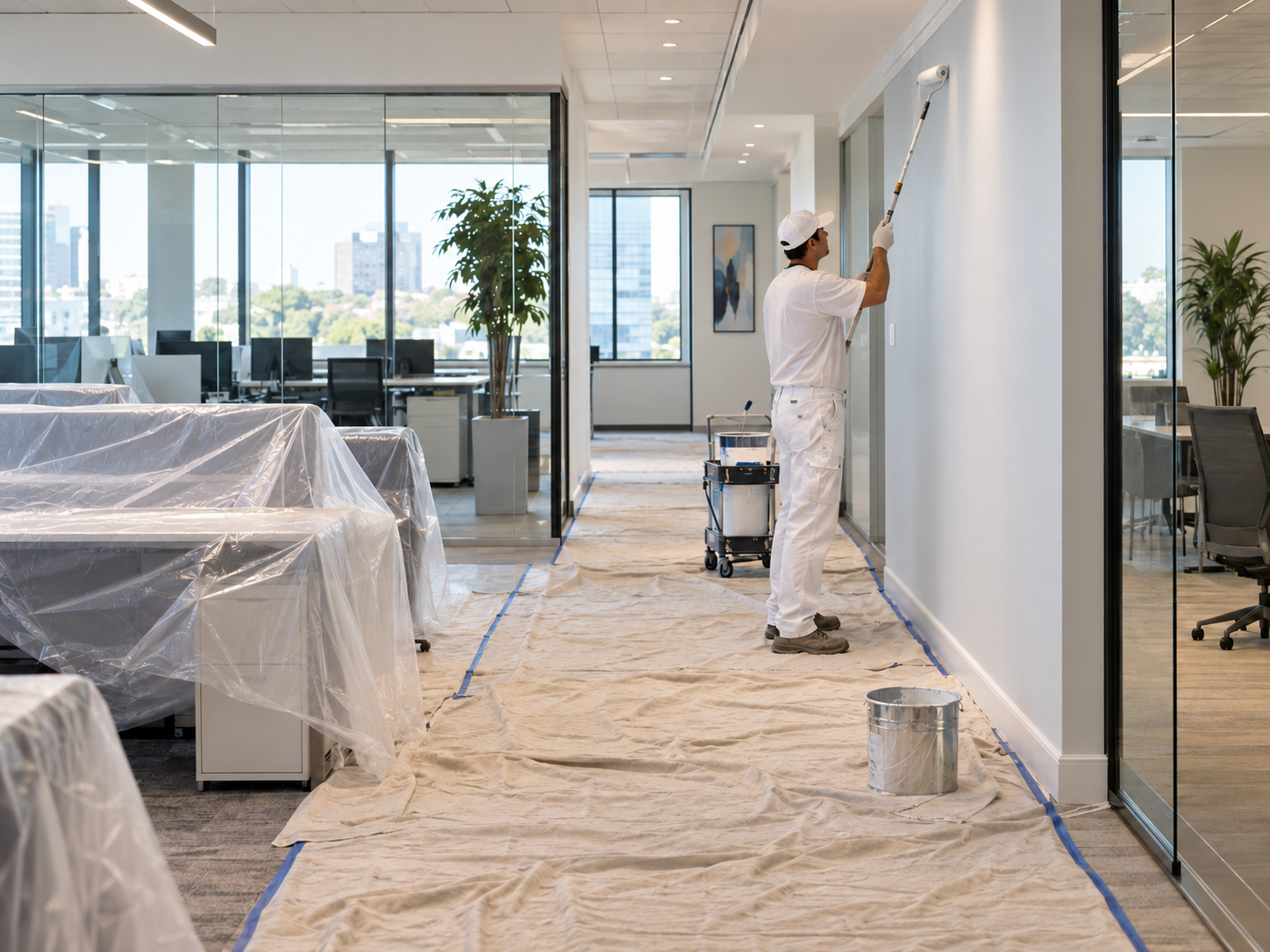
Think about an office that remains open during renovations, a medical facility with patients nearby, an apartment common area that residents use every day, or a school that needs classrooms returned to service quickly.


Strong paint odors can create complaints and operational disruptions even when a coating is being used correctly.


Lower-odor, low-VOC products can make it easier to plan painting around normal building activity. They do not eliminate the need for proper ventilation, containment, or scheduling, but they can become an important part of a broader occupied-building painting strategy.

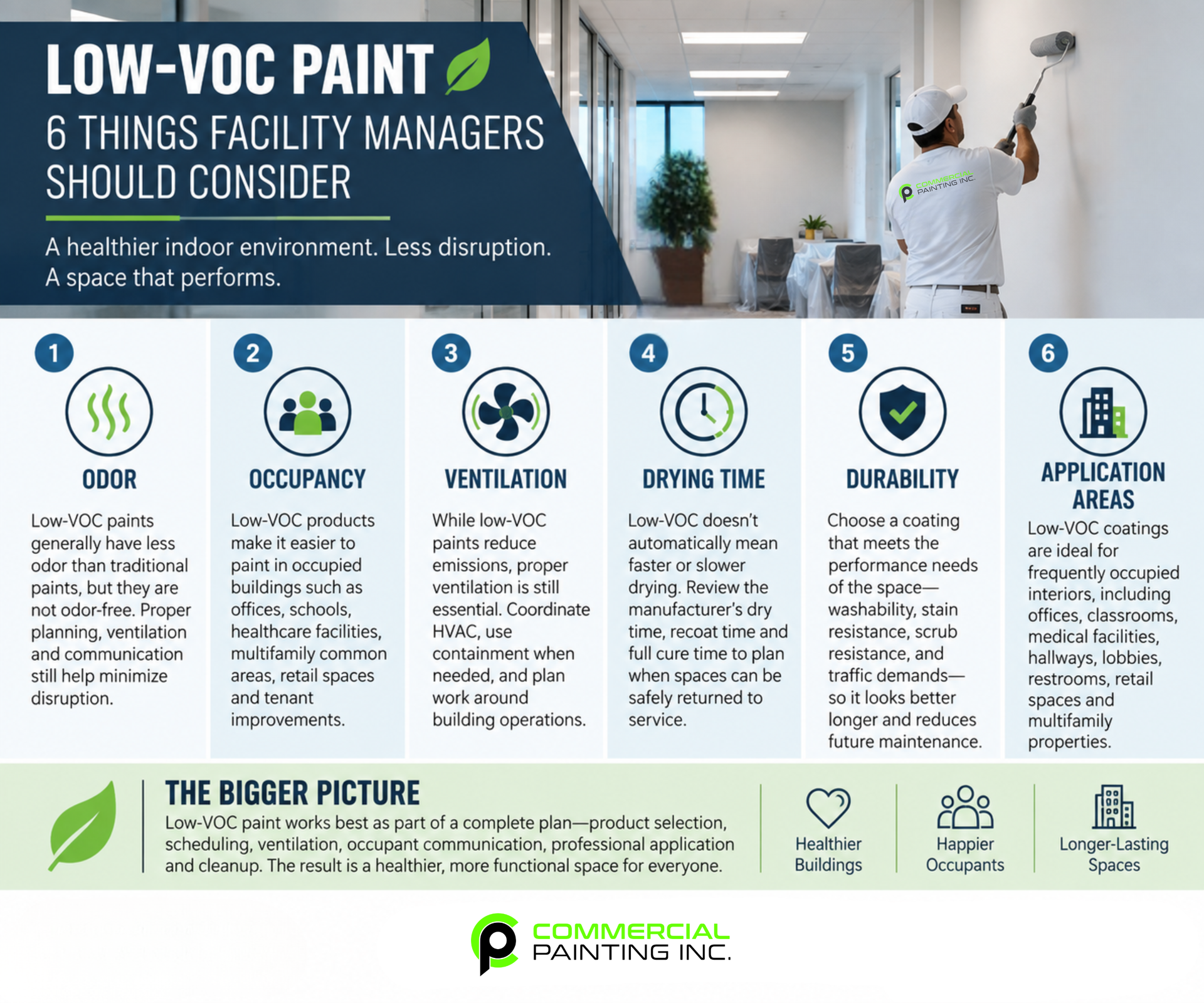
1. Lower VOC Doesn't Mean No Odor


One common misconception is that low-VOC automatically means odor-free.


It doesn't.


Low-VOC paints generally have less odor than traditional solvent-heavy coatings, but occupants may still notice a smell during application and drying. The amount can vary depending on the specific product, primer, colorant, ventilation, temperature, humidity, and size of the area being painted.


That means facility managers should still plan for:

  • Adequate ventilation
  • HVAC coordination where appropriate
  • Separation of active work areas
  • After-hours painting when necessary
  • Communication with tenants or employees
  • Daily cleanup before spaces reopen


Product selection helps, but good project planning is what minimizes disruption.

2. Think About Occupancy Before Choosing the Coating


Not every commercial space has the same requirements.


Low-VOC and low-emitting coatings are particularly worth considering in environments where occupants will remain close to the work or where minimizing odor is a priority.


These can include:


Offices and corporate spaces: Employees may continue working in adjacent areas while painting is underway.


Healthcare facilities: Interior projects often require careful coordination around occupied areas and sensitive environments.


Schools and educational facilities: Classrooms and common spaces may have limited windows

for maintenance.


Multifamily and HOA properties: Hallways, lobbies, stairwells, and common areas often remain accessible to residents.


Retail and hospitality: Strong odors can negatively affect the customer or guest experience.


Occupied tenant improvements: Painting may need to happen in phases rather than shutting down an entire floor.


For these environments, the right low-VOC coating combined with phased scheduling can significantly improve the painting process.

3. Understand Dry Time vs. Recoat Time vs. Cure Time


Low-VOC does not automatically mean a coating dries faster—or slower.


Those are separate performance characteristics.


Facility managers should distinguish between three different timelines:


Dry to touch means the surface no longer feels wet.


Recoat time is how long the coating should dry before another coat is applied.


Full cure is when the coating reaches its intended hardness and performance.


A room may be ready for normal access long before the paint has fully cured.


Actual timing depends on the specific coating as well as temperature, humidity, airflow, substrate, and application conditions. Always use the manufacturer's technical data sheet when determining when a space can be recoated, cleaned, heavily used, or returned to full service.

4. Don't Sacrifice Durability Just to Get a Lower VOC Number


For commercial facilities, performance still matters.


A coating in a private office has very different demands from one installed in a busy corridor, school hallway, breakroom, restroom, lobby, or medical facility.


Modern low-VOC coatings are available for many demanding commercial applications, but the correct specification should consider more than VOC content.


Facility managers should evaluate:

  • Washability
  • Scrub resistance
  • Stain resistance
  • Sheen
  • Moisture exposure
  • Cleaning requirements
  • Expected traffic
  • Substrate condition
  • Frequency of future maintenance


A durable product that lasts longer can reduce how often a facility needs to repaint, which can mean fewer disruptions over the building's lifecycle.


The goal should be to find the best balance between indoor-air-quality objectives and long-term coating performance.

5. Don't Forget About Primers, Colorants, and Specialty Coatings


The finish paint isn't the only product being applied.


A commercial painting system might also include primers, patching compounds, sealers, stains, floor coatings, rust-inhibitive coatings, or other specialty products.


Colorants can also affect the VOC profile of some paints, which is why it's worth looking at the final coating system rather than evaluating only the untinted base paint. Green Seal, for example, evaluates both VOC content and emissions as part of its current architectural coating standard.


For projects where indoor-air-quality requirements are important, ask your painting contractor about the entire coating system.

6. Ventilation Still Matters


Low-VOC paint should never replace proper ventilation.


EPA guidance recommends increasing ventilation when using products that emit VOCs.


On a commercial project, that can involve coordinating airflow, opening exterior access where appropriate, isolating work zones, and scheduling certain activities when fewer occupants are present.


The exact approach depends on the facility and its HVAC system.


For sensitive or continuously occupied environments, these details should be discussed before work begins—not after occupants start noticing odors.

What Should Facility Managers Look for?


When reviewing products for an upcoming commercial interior painting project, ask:

  • What is the VOC content of the complete coating system?
  • Is there a low- or zero-VOC alternative?
  • Has the product been evaluated for emissions?
  • Will the selected coating withstand the traffic and cleaning demands of this space?
  • What are the recoat and cure times?
  • How soon can occupants safely return based on the manufacturer's instructions and project conditions?
  • What ventilation will be provided?
  • Can painting be phased or completed after hours?
  • Are there additional requirements for the specific facility?


In California, architectural coating VOC requirements can also vary by local air district, so product specifications should comply with the rules applicable to the project location.

A Better Painting Strategy for Occupied Spaces


Low-VOC paint is useful, but it works best as part of a larger plan.


For occupied commercial interiors, we typically look at the entire project: product selection, scheduling, occupant communication, ventilation, access, containment, application, and cleanup.

That approach helps facility managers improve their spaces without creating unnecessary disruption for the people using them.


Commercial Painting Inc. works with property managers, facility teams, building owners, and commercial clients throughout San Jose, Silicon Valley, and the Bay Area to plan interior painting projects around the realities of active buildings.


Planning an interior refresh? Contact Commercial Painting Inc. to schedule an estimate and discuss the right coating system and painting schedule for your facility.

Contact Us

September 3, 2026
Learn how phased scheduling, after-hours painting, tenant communication, odor control, access planning, and cleanup minimize business disruption.

Commercial property manager inspecting exterior paint condition before fall maintenance
August 27, 2026
Learn what property managers should inspect before fall, including peeling paint, failed caulking, rust, stucco damage, exposed wood, and moisture issues.
Professional commercial interior featuring durable paint finishes selected for offices, schools, hea
August 20, 2026
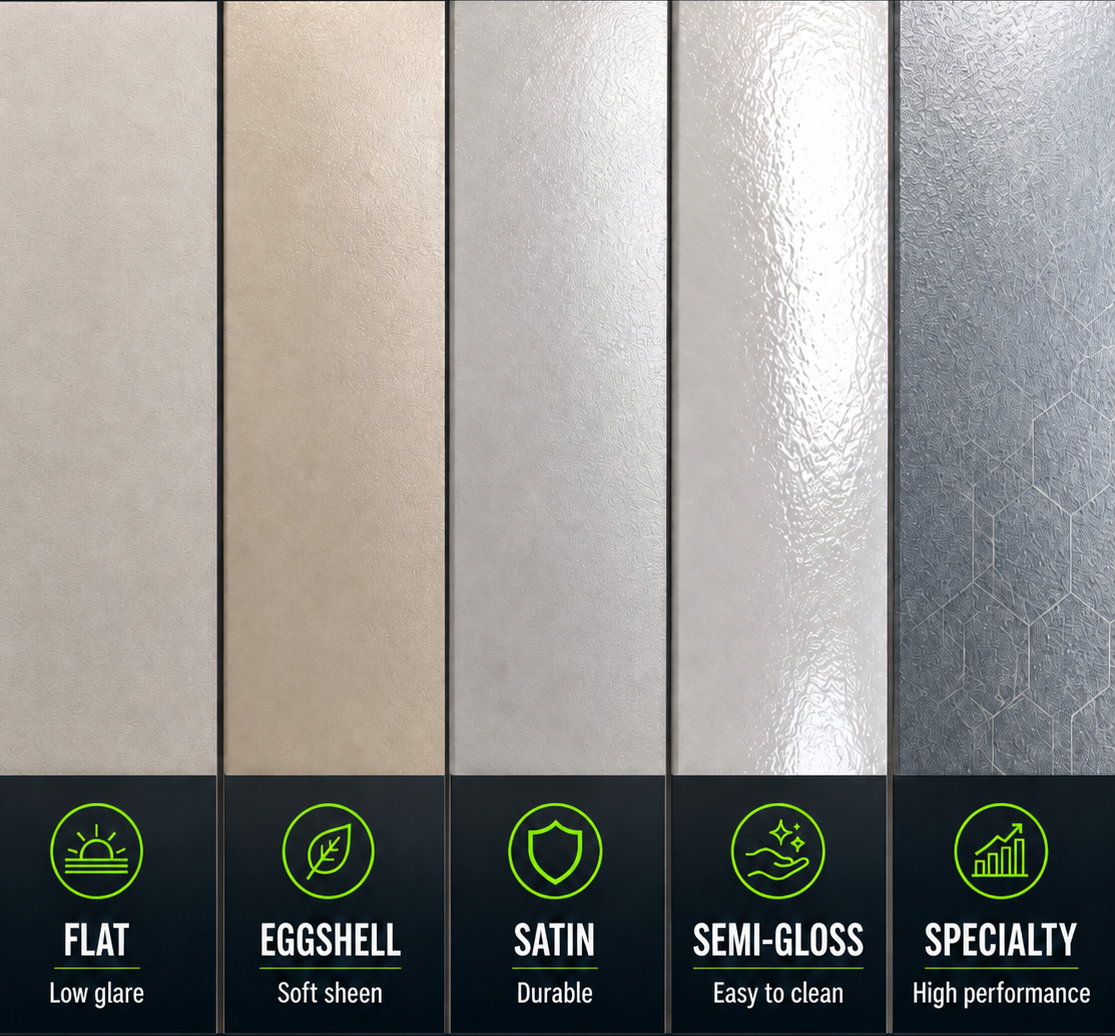
Compare flat, eggshell, satin, semi-gloss, and specialty coatings to choose the best commercial interior paint finish for durability and appearance.
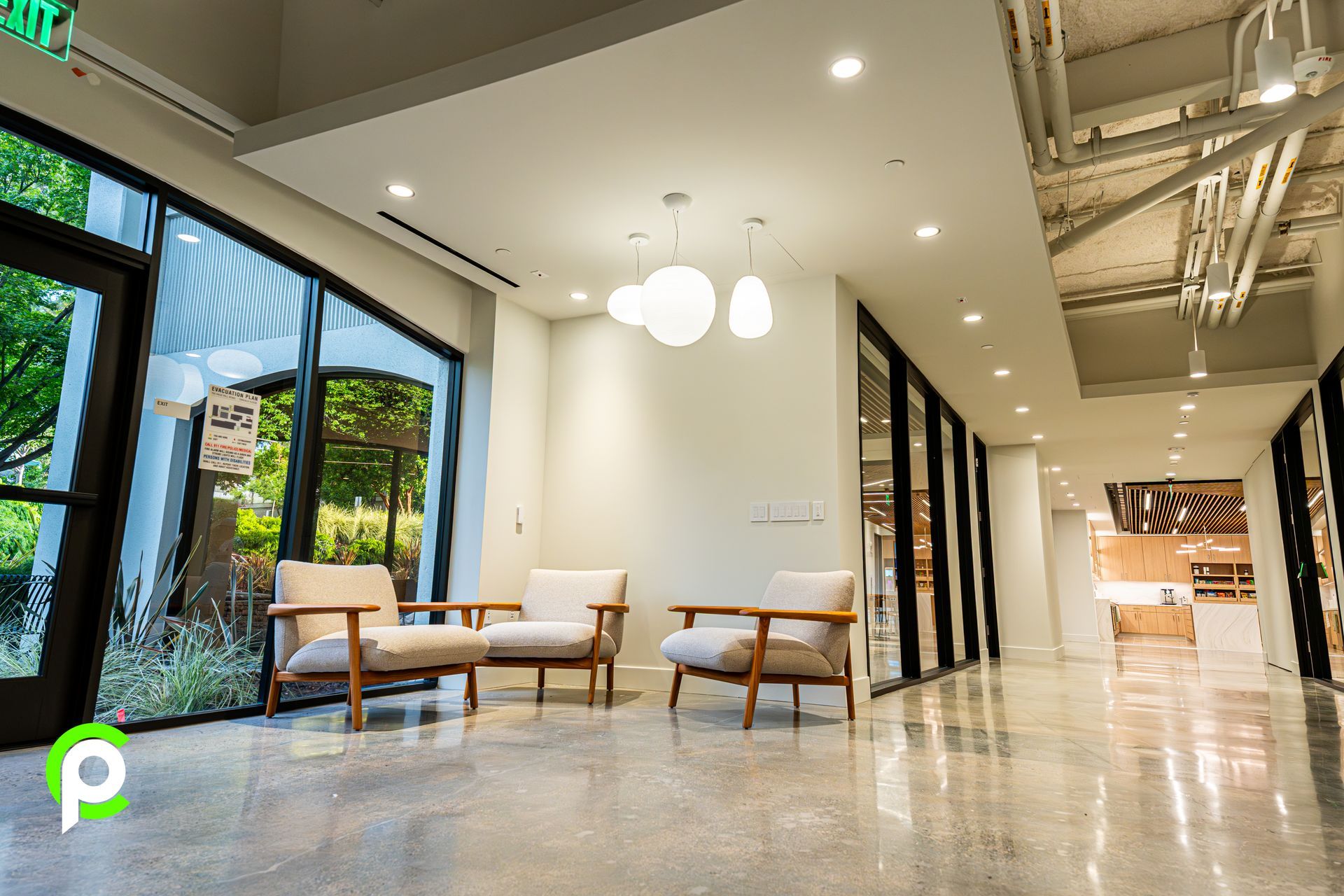
Commercial Painting Inc. completed high-end interior painting and specialty whiteboard walls at 755
August 13, 2026
See how Commercial Painting Inc. completed a high-end Palo Alto office painting project with after-hours work, premium finishes, and whiteboard walls.
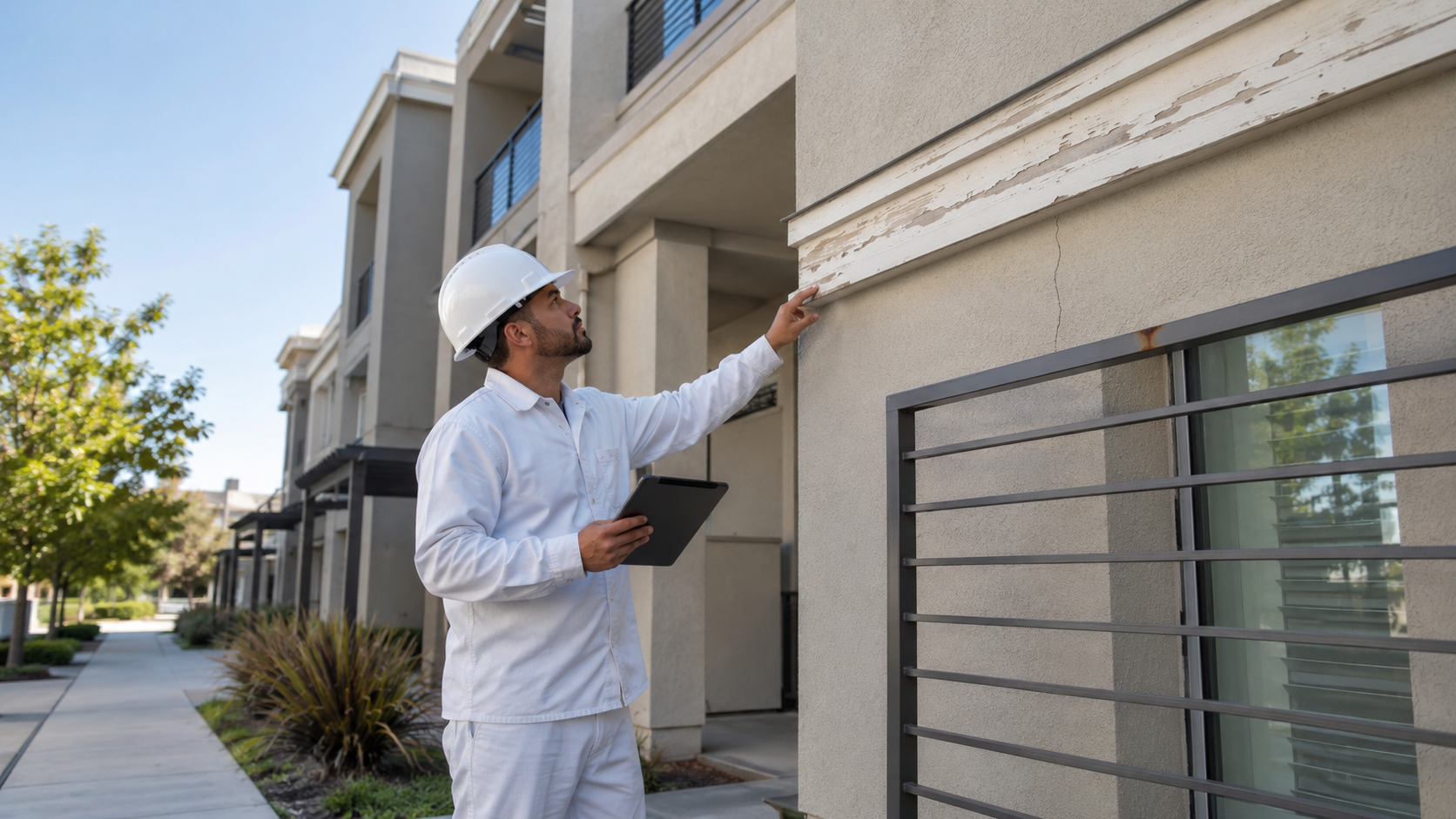
Commercial building inspection showing peeling paint and early signs of wood, metal, and stucco dete
August 6, 2026
Learn how deferred painting maintenance causes wood rot, corrosion, and stucco damage—and how preventive painting protects Bay Area properties and budgets.
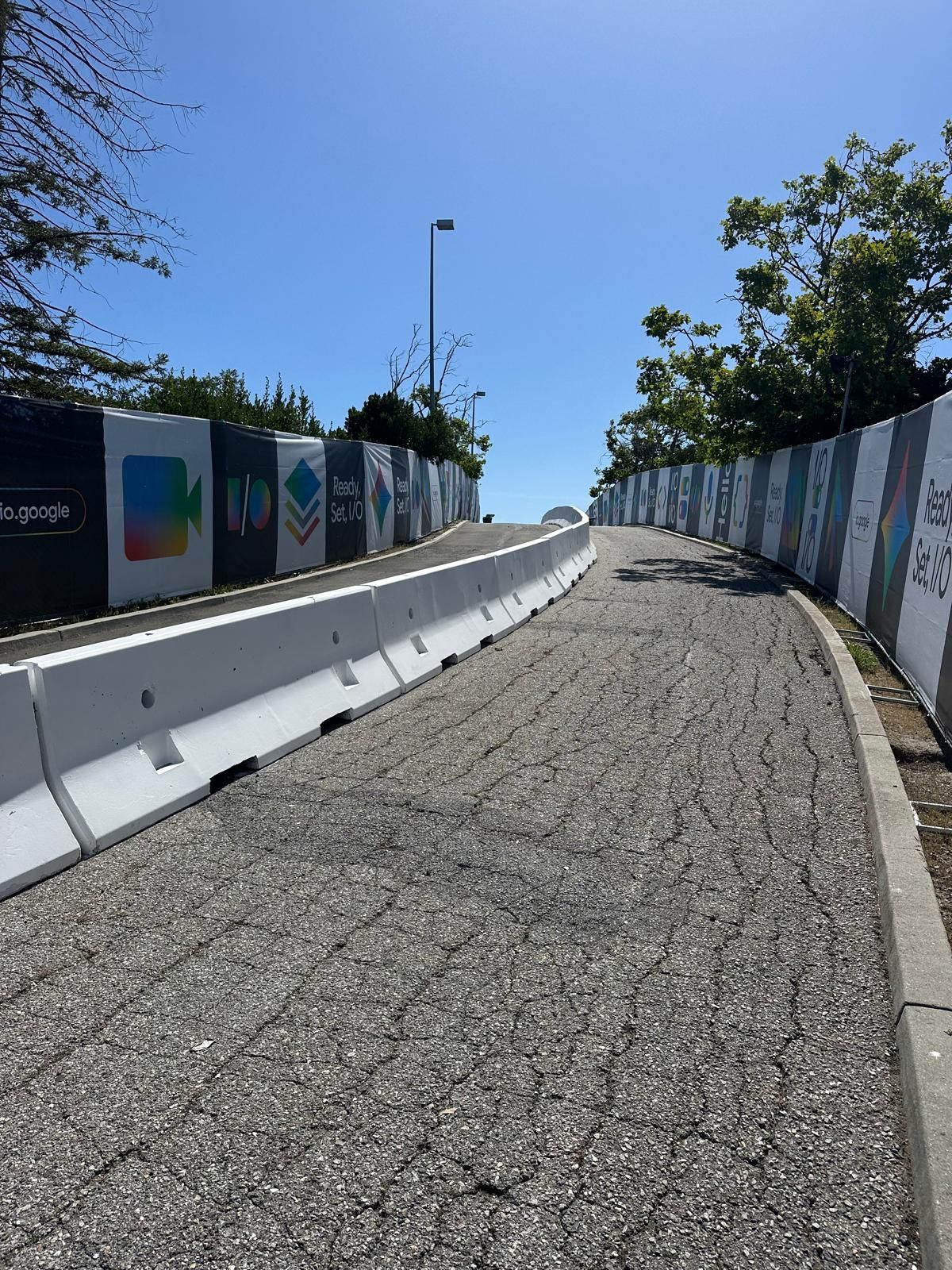
Freshly painted concrete K-rail barriers at Shoreline Amphitheatre in Mountain View, California.
July 30, 2026
See how Commercial Painting Inc. completed K-rail painting at Shoreline Amphitheatre in under 24 hours with minimal disruption before scheduled events.
Show More