Commercial Interior Painting Costs: A Budget Guide

October 29, 2026

What Affects Commercial Interior Painting Costs?


When planning a commercial interior painting project, one of the first questions property and facility managers ask is: How much is this going to cost?


The answer depends on more than the size of the building.


Two commercial spaces with identical square footage can have significantly different painting costs. Ceiling heights, wall conditions, surface preparation, accessibility, and scheduling requirements all influence the final estimate.


For property managers and business owners in San Jose, Silicon Valley, and the greater Bay Area, understanding these factors makes it easier to establish realistic budgets, compare contractor proposals, and avoid unexpected expenses.


Here’s what goes into pricing a commercial interior painting project—and what to consider before requesting an estimate.

1. Square Footage and the Actual Paintable Area


Square footage is an important starting point, but it doesn't tell the whole story.


A 10,000-square-foot office building doesn't necessarily have 10,000 square feet of paintable surfaces. Interior walls, partitions, hallways, and other architectural features determine how much painting is actually required.


For example:

  • An open office with fewer partitions may require less wall painting.
  • A building with numerous private offices, conference rooms, and hallways may have significantly more wall surface area.
  • A property requiring ceilings, doors, and trim to be painted will have a larger scope than one requiring walls only.


Budget planning tip: When comparing estimates, confirm that each contractor is pricing the same surfaces—not simply using the building's total floor area.

2. Ceiling Height and Accessibility


Higher ceilings often increase labor and equipment requirements.


Standard office walls are generally easier to access than tall lobby walls, stairwells, atriums, or industrial interiors.


Depending on the space, contractors may need:

  • Extension ladders or scaffolding
  • Scissor lifts or other elevated work platforms
  • Additional surface protection
  • Extra time for setup, repositioning, and safe access


These requirements affect productivity and project costs.


A commercial lobby with 20-foot ceilings, for example, will typically require a different approach than a standard office with 9-foot ceilings, even when the floor area is similar.

3. Surface Condition and Preparation Requirements


One of the biggest factors affecting commercial interior painting costs is the condition of the existing surfaces.


Walls that are clean, smooth, and in good condition generally require less preparation than surfaces with years of wear.


Common preparation work includes:

  • Repairing nail holes, dents, and damaged drywall
  • Filling cracks and caulking gaps
  • Sanding uneven surfaces
  • Removing loose or failing paint
  • Treating stains and applying appropriate primers
  • Protecting floors, furniture, and equipment


Skipping proper preparation may reduce the initial estimate, but it can compromise the finished appearance and coating performance.


Why this matters: A lower painting estimate may not include the same level of surface repair or preparation as a higher one.

Before choosing a contractor, review exactly what preparation work is included.

4. Number of Colors and Finish Requirements


Color selection can also influence pricing.


Painting an entire office in one consistent color is generally more efficient than using multiple accent colors throughout the building.


Additional colors may require:

  • More masking and cutting-in
  • Additional paint materials
  • Extra setup and cleanup
  • More detailed coordination between rooms or sections


The existing color matters, too. Changing a dark wall to a significantly lighter shade may require additional coats or a suitable primer to achieve uniform coverage.


The selected paint finish also affects the project. High-traffic corridors, conference rooms, restrooms, and common areas may require different coatings based on durability, cleaning needs, and appearance.

5. Doors, Frames, Trim, and Ceilings


Not every commercial interior painting project is limited to walls.


Doors, metal frames, baseboards, trim, and ceilings can add substantial labor to a project, especially in buildings with numerous individual rooms.


For example, repainting 50 office doors and frames requires detailed preparation and application that differs from painting large, uninterrupted wall surfaces.


Ceiling painting can also introduce additional challenges, particularly when working around lighting, HVAC components, sprinkler systems, and occupied work areas.


When reviewing an estimate, confirm whether these elements are included or priced separately.

6. Occupied vs. Vacant Commercial Spaces


Painting a vacant commercial space is typically more straightforward than working in an occupied building.


When employees, tenants, customers, or residents remain on-site, contractors must coordinate around daily operations.


This may involve:

  • Moving or protecting furniture and equipment
  • Dividing the project into phases
  • Maintaining access to offices and common areas
  • Controlling dust and minimizing disruption
  • Scheduling work around tenant or business activities


An occupied office building may require more planning and labor hours than an empty space of the same size.


For property and facility managers, this coordination is essential to keeping operations running smoothly.

7. After-Hours and Weekend Scheduling


Some commercial properties cannot accommodate painting during normal business hours.


Medical offices, corporate workplaces, retail spaces, and other active facilities may require evening, overnight, or weekend work.


These schedules can affect labor costs, supervision, access arrangements, and project logistics.


Although after-hours painting may increase the initial project cost, it can help reduce operational interruptions and limit the impact on employees, tenants, and customers.


The most cost-effective schedule isn't always the one with the lowest painting price. It's the one that balances project expenses with business continuity.

8. Specialty Coatings and Material Selection


Different commercial environments require different coating systems.


A standard office may need a durable, washable interior finish, while a healthcare, industrial, or high-moisture environment may have more specific performance requirements.


Depending on the application, a project may call for:

  • Low-VOC coatings for occupied interiors
  • High-durability finishes for busy corridors
  • Moisture-resistant systems for suitable environments
  • Specialty primers for stained or previously coated surfaces
  • Protective coatings for metal doors and frames


Material costs vary based on product specifications, preparation requirements, and application methods.


Choosing the appropriate coating helps protect the investment and can reduce the frequency of future maintenance.

9. Project Timeline and Completion Requirements


The schedule itself can influence the cost of commercial interior painting.


A project with a flexible timeline may allow a contractor to work efficiently through each area.


A project requiring completion before a tenant move-in, grand opening, or scheduled inspection may need additional crews, extended shifts, or more complex coordination.


Tight deadlines can increase labor and logistical expenses.


Budget planning tip: Whenever possible, begin planning interior painting before the space reaches an urgent deadline. Early planning gives contractors more flexibility to coordinate materials, labor, and access.

Why Two Commercial Painting Estimates May Be Different


It's common for property managers to receive estimates that vary significantly—even when contractors are bidding on the same building.


The difference may come down to what's included in the scope.


One contractor may include drywall repairs, premium coatings, two finish coats, doors and frames, and detailed surface protection.


Another may quote only basic wall preparation and painting.


Both estimates may appear to cover the same project, but the actual work can be very different.


What to Look for When Comparing Painting Estimates

Before making a decision, ask these questions:

  1. Scope: Which walls, ceilings, doors, frames, and other surfaces are included?
  2. Preparation: What repairs, sanding, caulking, and priming are covered?
  3. Materials: Which coating products and finishes are specified?
  4. Application: How many coats are included, and what coverage standard is expected?
  5. Scheduling: Does the price include occupied-space coordination or after-hours work?
  6. Exclusions: What work is not included, and how will additional repairs or changes be handled?


A detailed proposal makes it easier to compare contractors fairly and understand where your budget is going.

Plan Your Commercial Interior Painting Budget With Confidence


Commercial interior painting is more than a cosmetic improvement. It helps maintain professional spaces, protect interior surfaces, and create a better environment for employees, tenants, and visitors.


Understanding what drives pricing allows property and facility managers to make informed decisions, prioritize necessary work, and plan projects around operational needs.


Rather than relying on a universal cost per square foot, the best starting point is a thorough assessment of the property's condition, painting scope, and scheduling requirements.


Planning an Interior Painting Project in the Bay Area?


At Commercial Painting Inc., we work with property managers, facility managers, and commercial property owners throughout San Jose, Silicon Valley, and the greater Bay Area.


Whether you're preparing an office for new tenants, refreshing a commercial property, or planning a larger interior repaint, our team can help evaluate the scope and develop a painting plan that fits your property's needs.


Schedule a free estimate with Commercial Painting Inc. and start planning your next interior painting project with confidence.

Contact Us

October 22, 2026
Learn what quality commercial interior paint preparation includes, from drywall repairs and priming to surface protection, for a longer-lasting finish.
Freshly painted commercial office interior showcasing smooth walls, consistent finishes, and profess
October 15, 2026
Learn when to repaint commercial interiors, from scuffed walls to fading paint. Discover when touch-ups are enough and when a full repaint makes more sense.
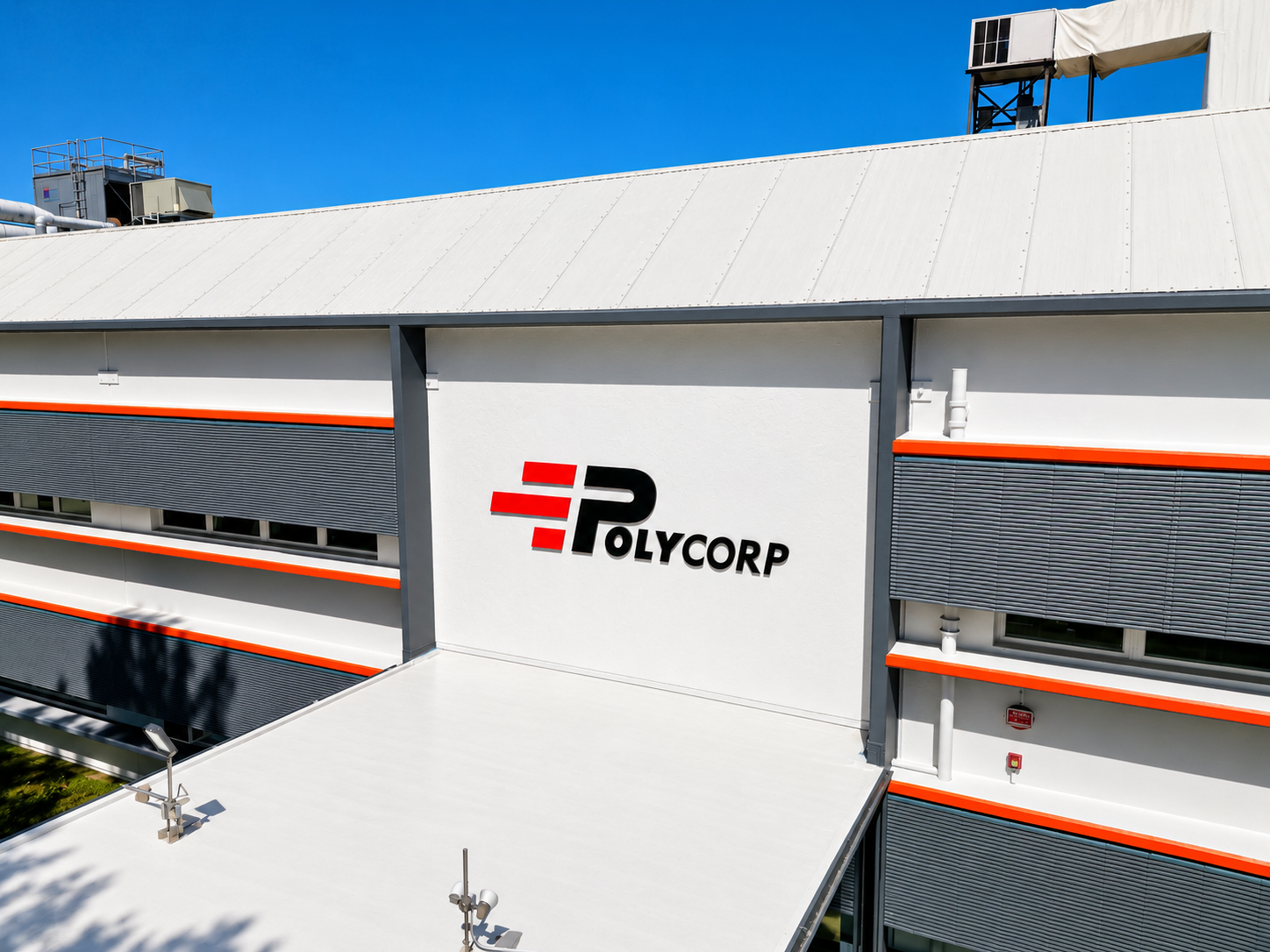
October 8, 2026
See how Commercial Painting Inc. transformed Polycorp’s San Jose industrial facility after 30 years without an exterior repaint.

October 1, 2026
Learn how coating systems differ for stucco, wood, metal and concrete—and what property managers should evaluate before specifying an exterior repaint.
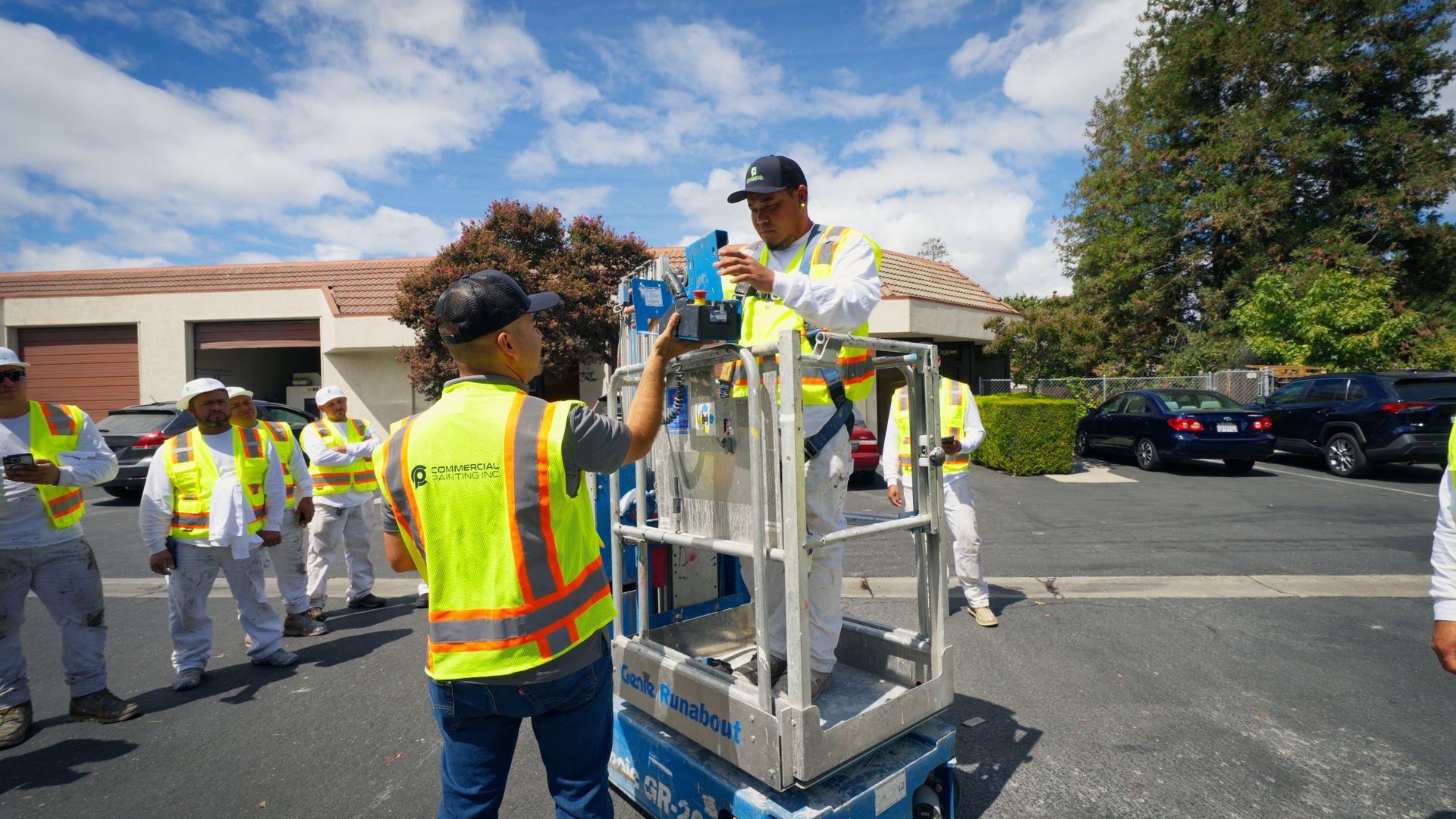
Commercial Painting Inc. certified lift operator completing aerial lift training
September 24, 2026
Learn how Commercial Painting Inc.’s aerial lift and MEWP-certified operators help support safer, more efficient commercial painting projects.

Property manager and commercial painting contractor planning a 2027 painting project
September 17, 2026
Commercial property manager reviewing building conditions and planning upcoming painting and maintenance projects with a professional painting contractor.
Show More