


How to Paint an Occupied Commercial Building Without Disrupting Business

September 3, 2026

Painting an occupied commercial building presents a different challenge than working in an empty space.

The painting itself is only part of the job. Employees may still be working, tenants need access to their suites, customers may be entering the property, and building operations need to continue with as little interruption as possible.


For property and facility managers, a successful occupied-building painting project comes down to planning, communication, and coordination.


With the right approach, commercial painting can move forward while the building stays fully operational.

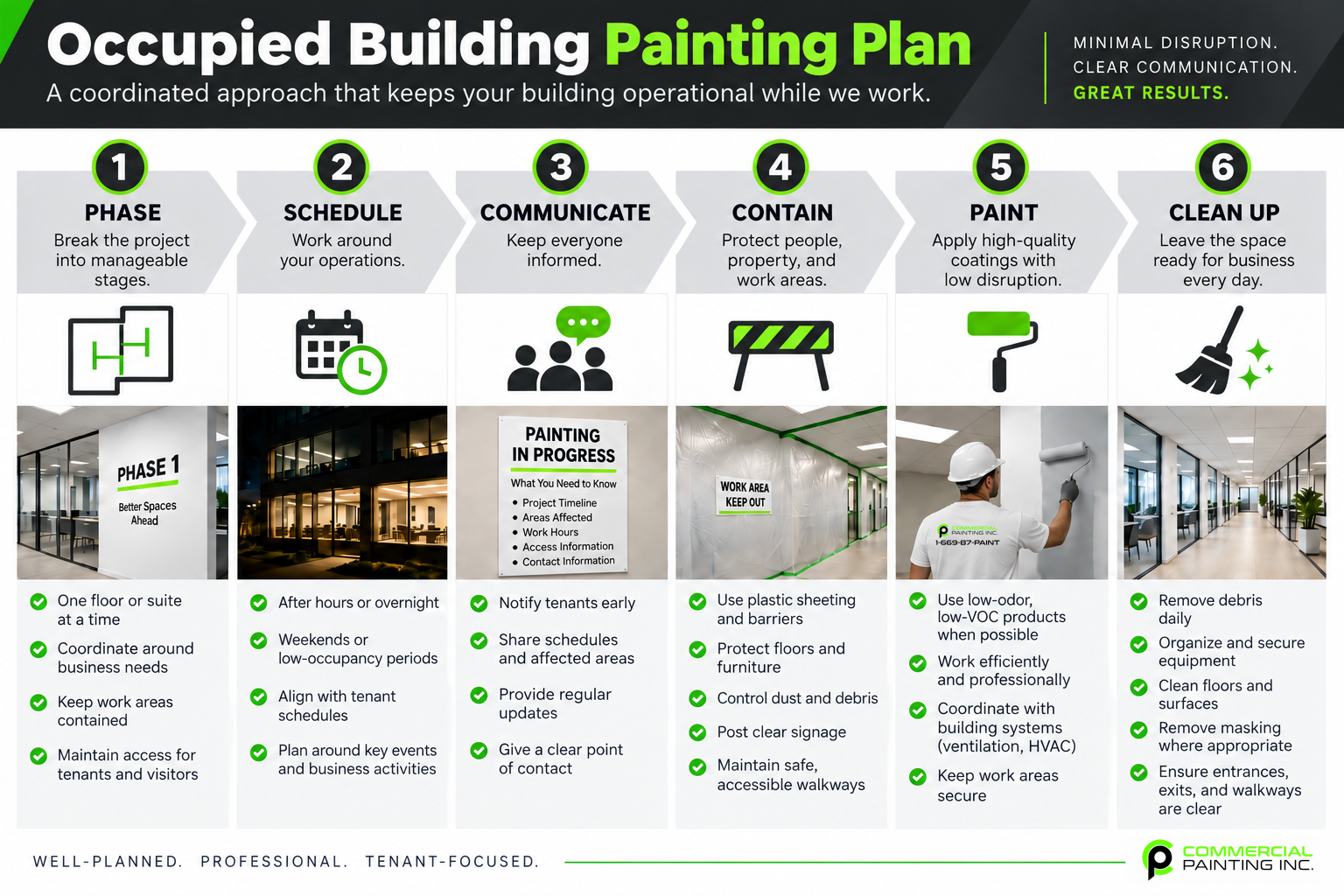
Start With a Phased Painting Schedule


Trying to paint an entire occupied building at once can create unnecessary disruption.


Instead, commercial painting projects can be divided into manageable phases based on the building's layout and operating schedule.


For example:

  • One floor or department at a time
  • Individual tenant suites
  • Hallways and common areas in sections
  • Lobbies during low-traffic periods
  • Exterior entrances one at a time
  • High-traffic areas after business hours


Phasing keeps the work contained and gives employees, tenants, and visitors clear areas to use while painting is underway.


It also allows property managers to coordinate around important meetings, tenant move-ins, customer traffic, deliveries, or other building activities.

Schedule Painting Around Business Operations


One of the easiest ways to reduce disruption is simply to perform the work when fewer people are present.


Depending on the property, painting can often be scheduled:

  • Before normal business hours
  • After hours
  • Overnight
  • During weekends
  • Around tenant schedules
  • During planned shutdowns or low-occupancy periods


After-hours commercial painting can be especially useful for offices, medical facilities, retail properties, schools, and other environments where normal daytime operations need to continue.


The contractor and property manager should establish working hours before the project begins so everyone knows when painters will arrive, which areas will be worked on, and when those spaces will reopen.

Communicate With Tenants Before Work Begins


Good communication can prevent many of the problems associated with painting an occupied building.


Tenants should know what is happening before crews arrive.


A simple project notice can communicate:

  • The project start date
  • Expected duration
  • Areas being painted
  • Work hours
  • Temporary access restrictions
  • Areas that need to be cleared
  • Any expected odors or noise
  • Who tenants should contact with questions


For larger properties, providing regular updates as each phase progresses can make the project much easier for everyone involved.


Tenants do not necessarily need every construction detail. They simply need to know when the work will affect their space and what they need to do.

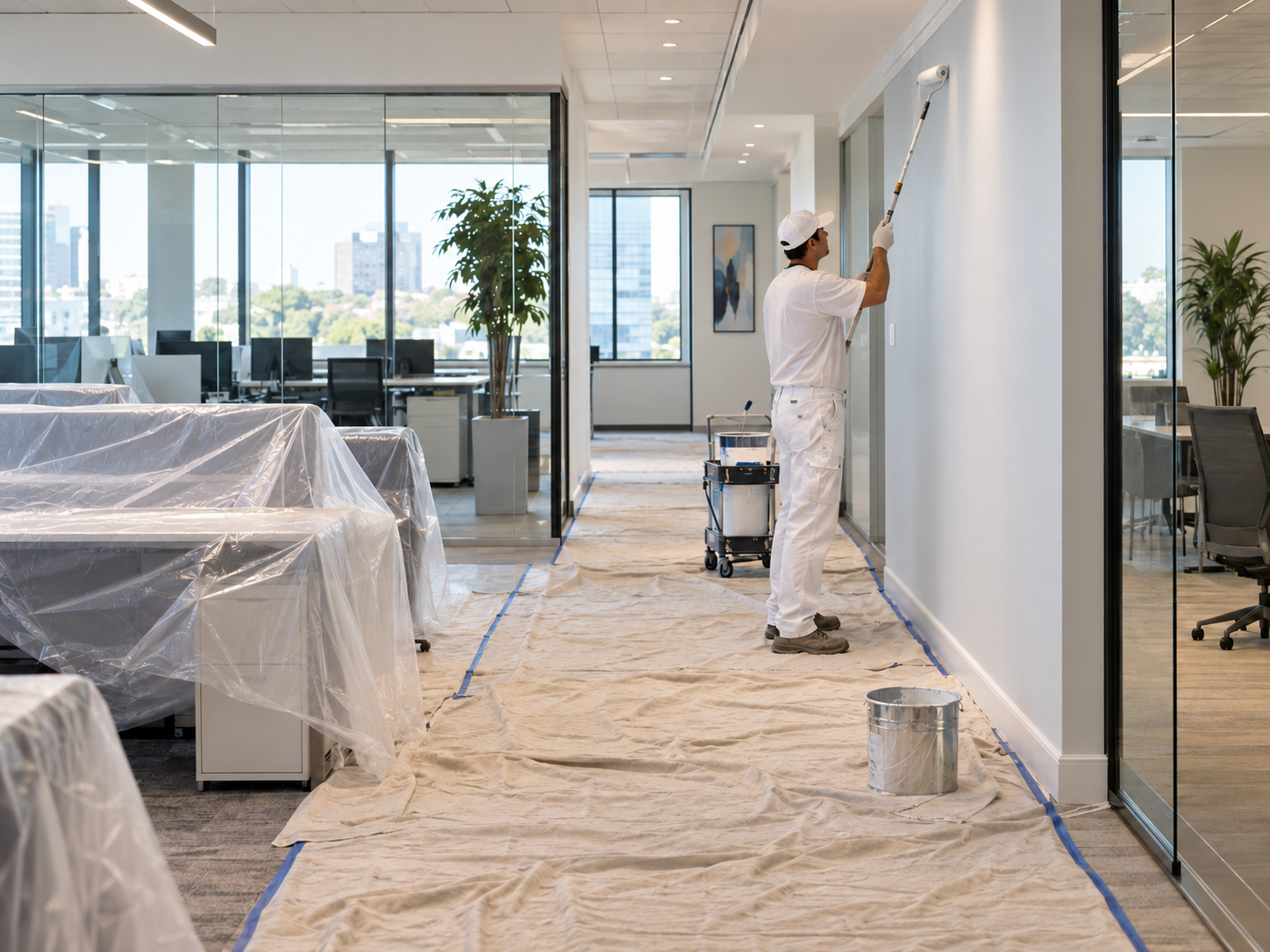
Contain the Work Area


Occupied environments require additional attention to keeping work zones separated from building occupants.


Depending on the project, painters may use:

  • Plastic sheeting
  • Temporary barriers
  • Drop cloths and floor protection
  • Dust containment
  • Wet-paint signage
  • Caution tape or cones
  • Temporary pedestrian routes


The objective is to keep painting materials, equipment, surface-preparation debris, and foot traffic from interfering with one another.


Containment becomes especially important when preparation includes sanding, scraping, patching, or other work that can create dust or debris.

Manage Paint Odors


Paint odor is one of the most common concerns when painting an occupied commercial space.


Product selection and scheduling can make a significant difference.


Low-odor and low-VOC coatings may be appropriate for many occupied interior environments. When stronger coatings are necessary, work can sometimes be scheduled after hours so the area has additional ventilation time before employees or tenants return.


Ventilation should also be considered as part of the project plan.


Depending on the space, contractors may coordinate the use of:

  • Existing HVAC systems
  • Open doors or windows where appropriate
  • Fans and air movement
  • Temporary ventilation equipment


The exact approach depends on the coating being used, the building layout, and the needs of the occupants.

Plan Access Before the Crew Arrives


Commercial painting crews need access to more than just the wall being painted.


They may also need space for ladders, lifts, equipment, paint, surface preparation, and material staging.


Before work begins, the contractor and property manager should identify:

  • Crew entrances
  • Material staging areas
  • Elevator access
  • Loading zones
  • Parking requirements
  • Restricted areas
  • Security procedures
  • Alarm or access-control requirements


For exterior projects, pedestrian walkways, storefront entrances, tenant doors, and parking areas may also need to remain accessible.


Planning these details ahead of time prevents crews from blocking critical building operations once work begins.

Clean Up at the End of Every Shift


Daily cleanup is especially important in occupied buildings.


At the end of each work period, crews should organize materials, remove debris, secure equipment, and leave active areas safe for tenants and employees.


A professional daily cleanup process may include:

  • Removing masking and debris where appropriate
  • Organizing tools and equipment
  • Securing paint and materials
  • Removing trip hazards
  • Cleaning floors and surrounding surfaces
  • Reopening walkways
  • Checking that entrances and exits remain accessible


For after-hours projects, the goal is often simple:


When tenants return the next morning, the building should be ready for business.

Coordination Is Just as Important as Painting


Occupied commercial painting requires more than applying a quality coating.


The contractor needs to understand how the building operates.


Before starting the project, property managers should discuss:

  • Business hours
  • Tenant schedules
  • High-traffic periods
  • Building access
  • Sensitive work areas
  • Noise restrictions
  • Odor concerns
  • Equipment requirements
  • Daily cleanup expectations
  • Project communication


These conversations allow the contractor to build an operational plan around the property instead of forcing the property to adjust around the painting crew.

Keep Your Property Operating While You Paint


A commercial painting project does not have to mean shutting down your building.


With phased scheduling, after-hours work, clear tenant communication, proper containment, access planning, odor management, and consistent cleanup, painting can move forward while normal operations continue.


At Commercial Painting Inc., we work with property managers, facility teams, building owners, and businesses throughout San Jose, Silicon Valley, and the Bay Area to coordinate commercial painting projects around active facilities.


Whether you're refreshing offices, common areas, tenant spaces, or an entire commercial property, our team can help develop a painting plan that minimizes disruption and keeps your building moving.


Planning an occupied commercial painting project? Contact Commercial Painting Inc. to schedule a walkthrough and estimate.

Contact Us

Commercial interior painting with low-VOC paint in an occupied office
September 10, 2026
Learn how low-VOC paint affects odor, occupancy, drying time and durability—and where it makes the most sense for commercial interior spaces.
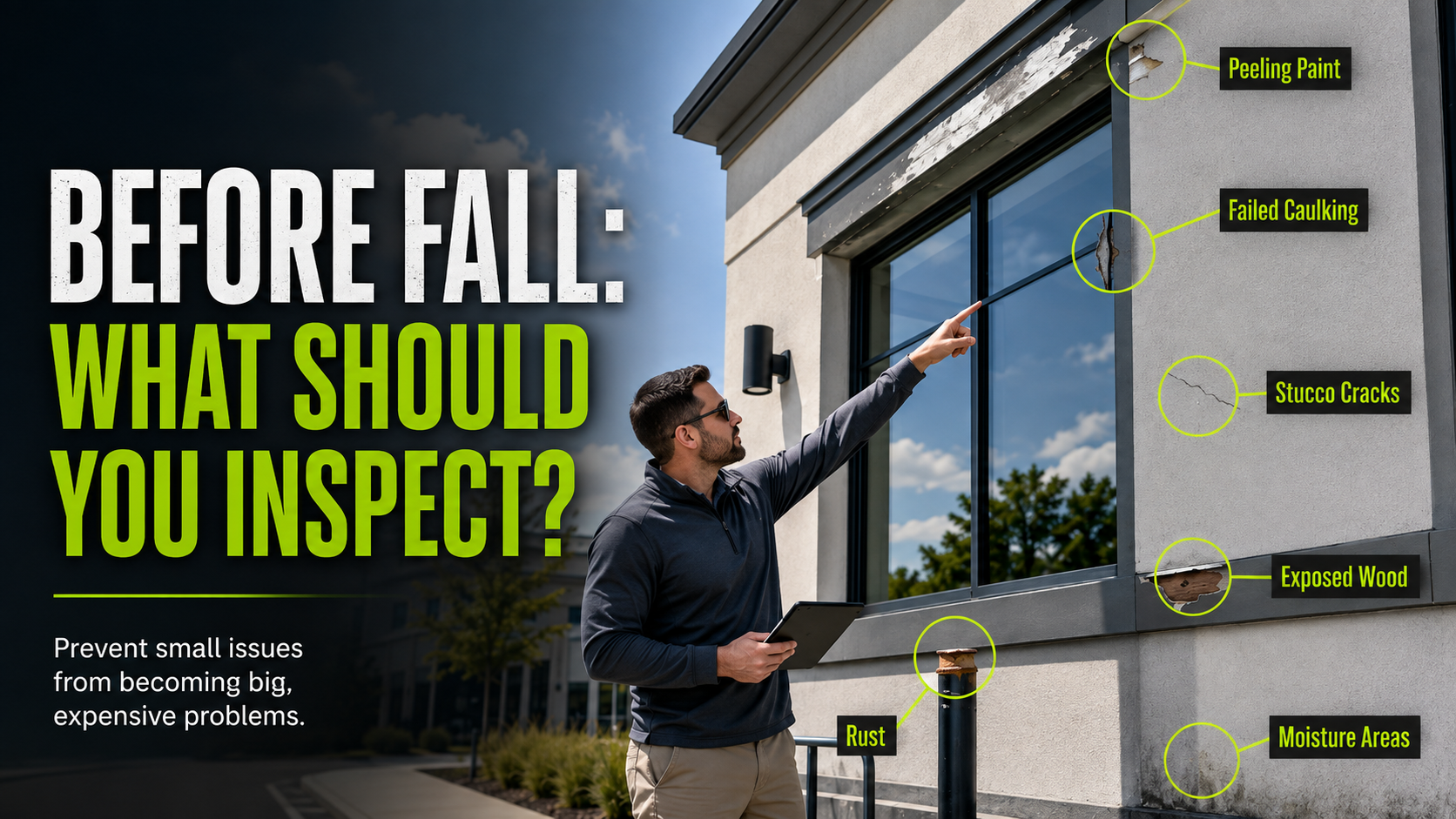
Commercial property manager inspecting exterior paint condition before fall maintenance
August 27, 2026
Learn what property managers should inspect before fall, including peeling paint, failed caulking, rust, stucco damage, exposed wood, and moisture issues.
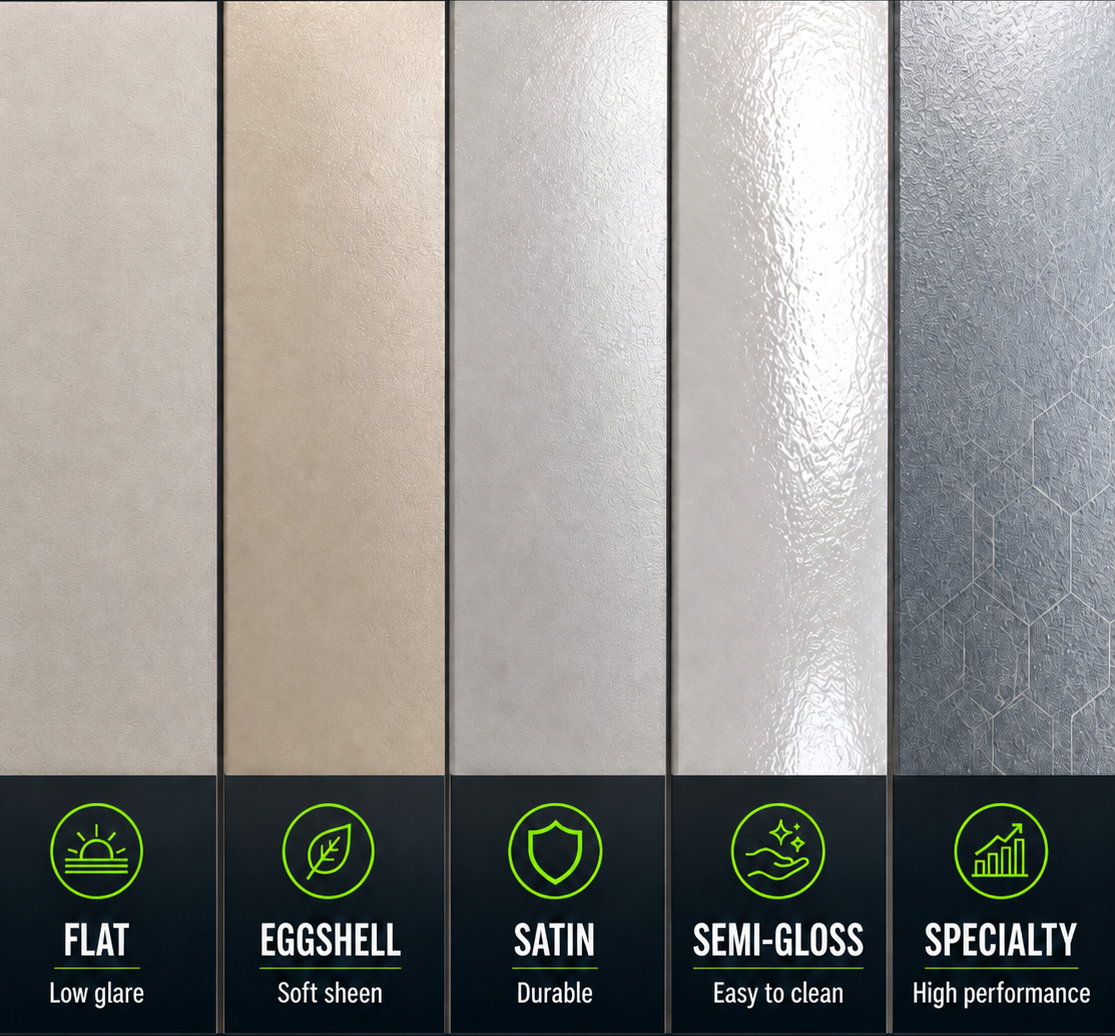
Professional commercial interior featuring durable paint finishes selected for offices, schools, hea
August 20, 2026
Compare flat, eggshell, satin, semi-gloss, and specialty coatings to choose the best commercial interior paint finish for durability and appearance.
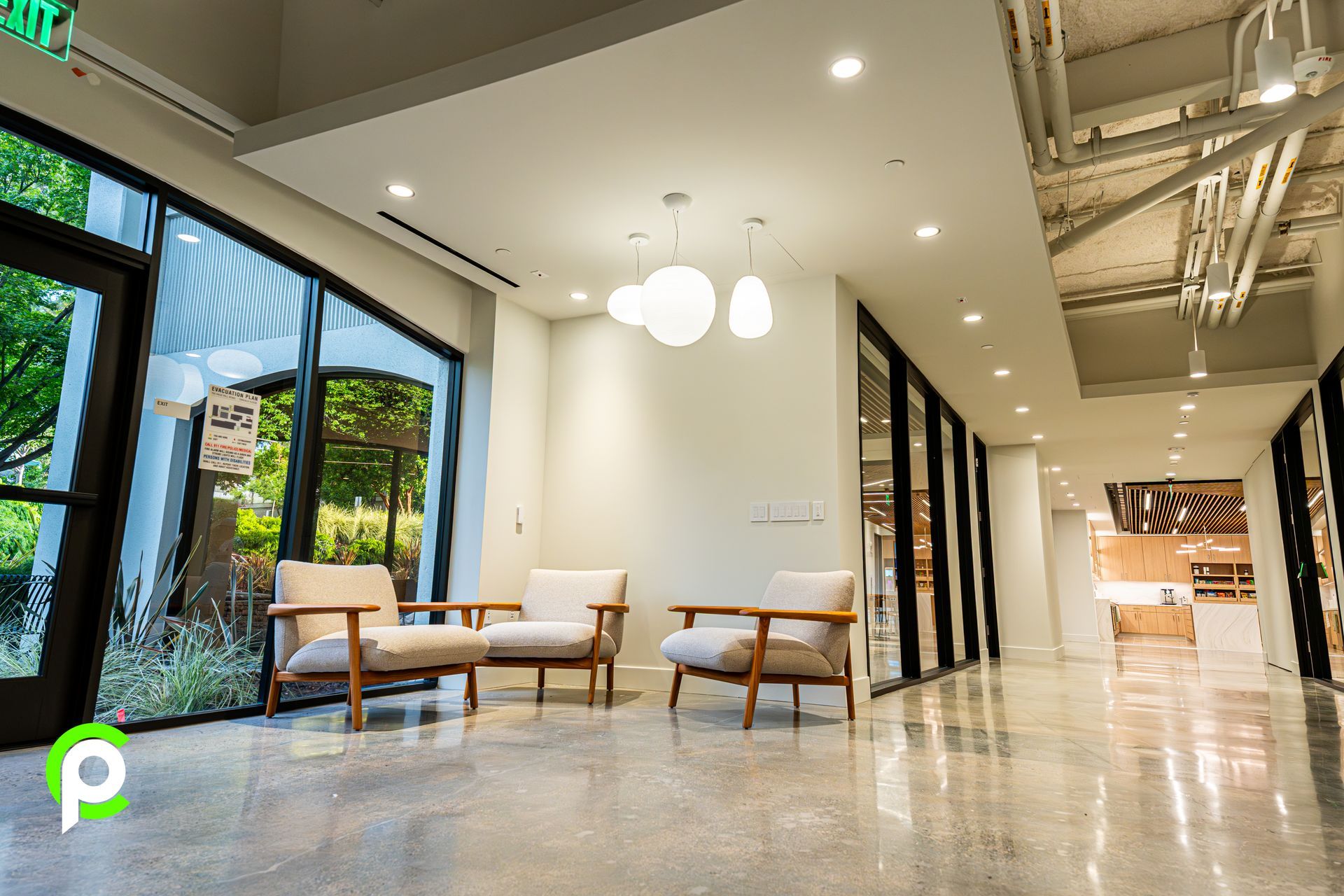
Commercial Painting Inc. completed high-end interior painting and specialty whiteboard walls at 755
August 13, 2026
See how Commercial Painting Inc. completed a high-end Palo Alto office painting project with after-hours work, premium finishes, and whiteboard walls.
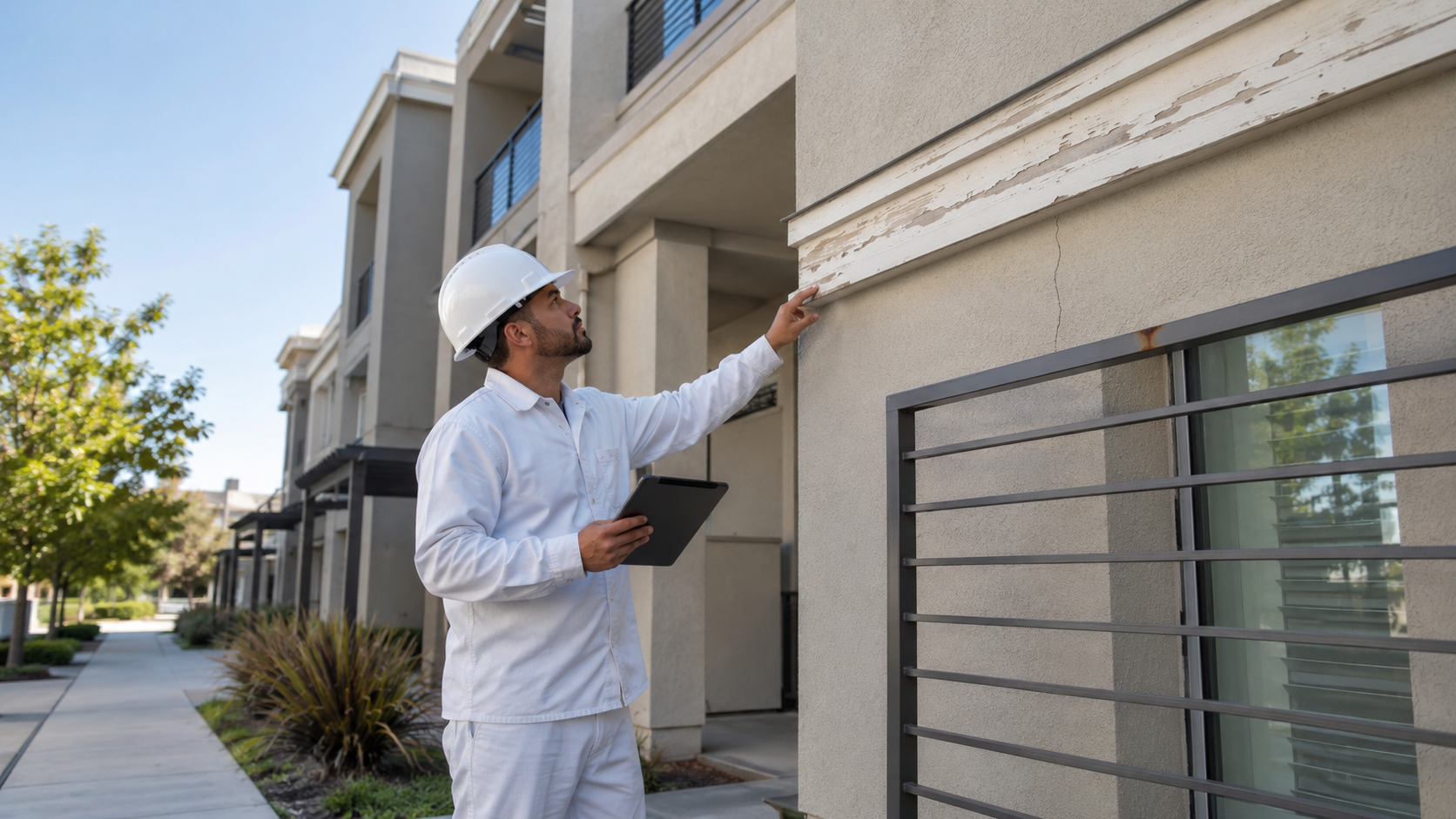
Commercial building inspection showing peeling paint and early signs of wood, metal, and stucco dete
August 6, 2026
Learn how deferred painting maintenance causes wood rot, corrosion, and stucco damage—and how preventive painting protects Bay Area properties and budgets.
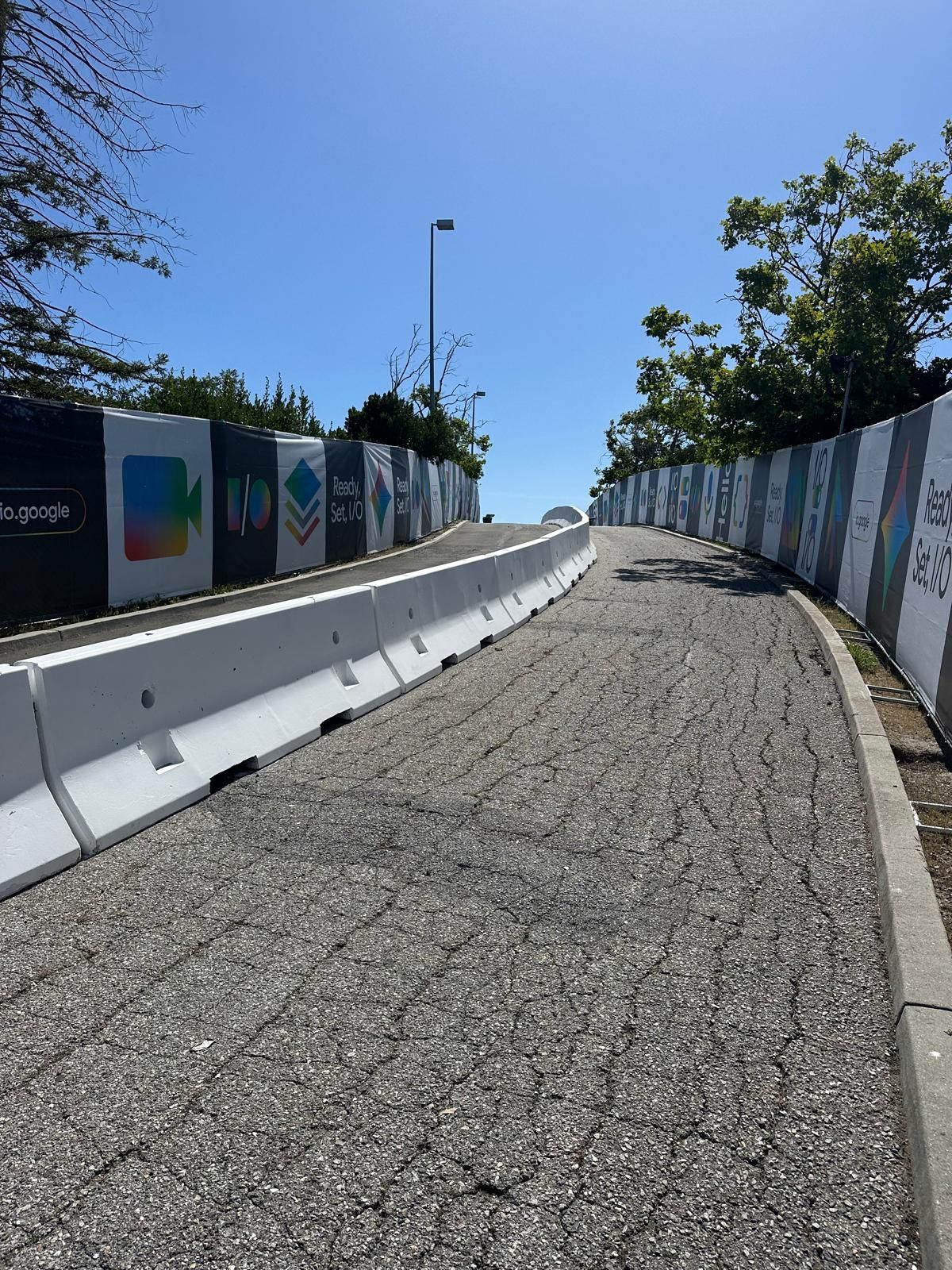
Freshly painted concrete K-rail barriers at Shoreline Amphitheatre in Mountain View, California.
July 30, 2026
See how Commercial Painting Inc. completed K-rail painting at Shoreline Amphitheatre in under 24 hours with minimal disruption before scheduled events.
Show More